Compiled files


For those who like to dig deep and uncover everything!…
The documentation base comes from fragments scattered throughout the Liber de Armamentariis.
The goal is to build strong cases, supplemented when necessary with excerpts from other documents.
Much work remains to be done.
—Takit Isy


Case files


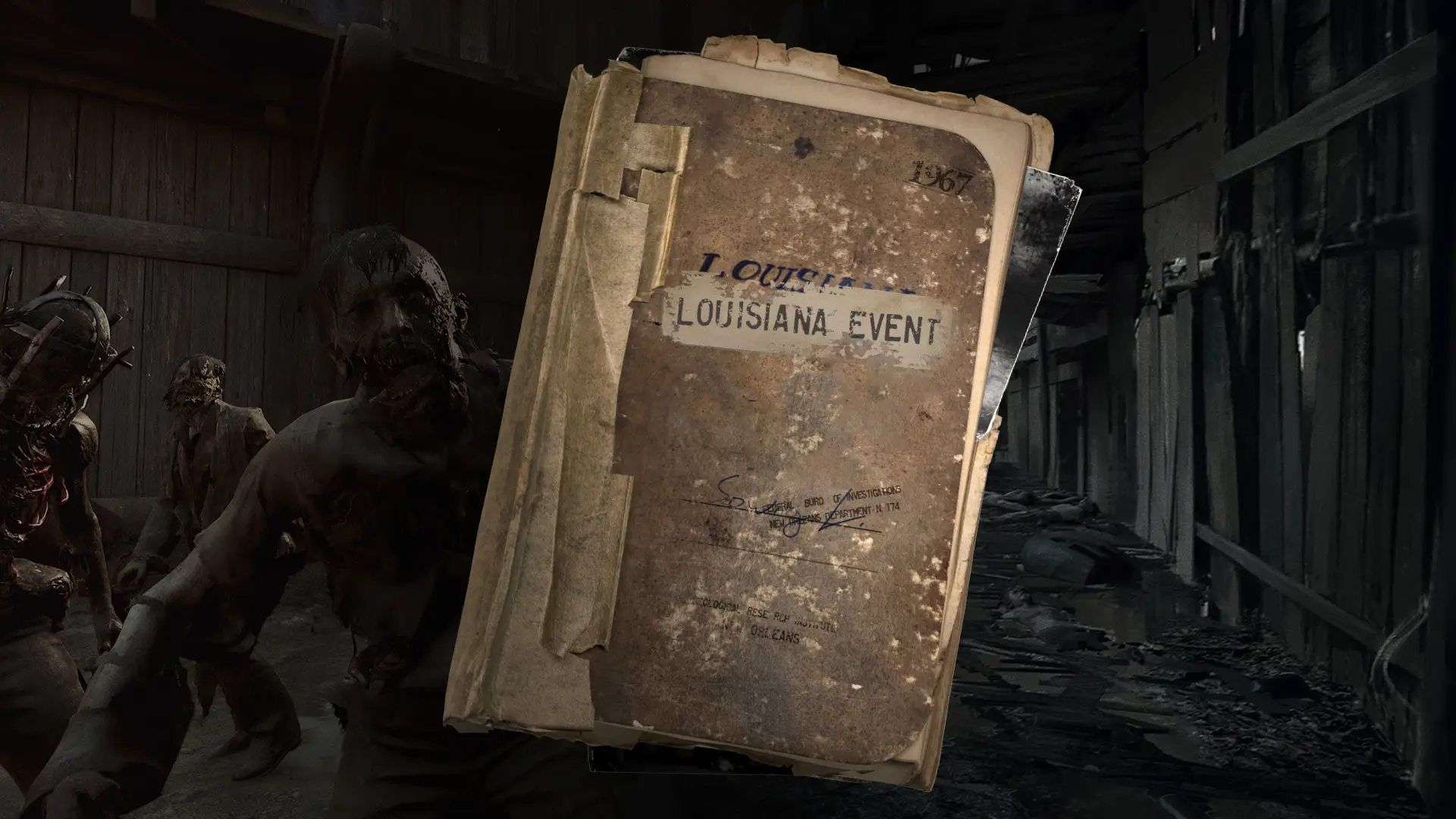
The Louisiana Event case file includes several pieces of information.

Stamps on the file case:
FEDERAL BURO OF INVESTIGATIONS / NEW ORLEANS DEPARTMENT N. 174 / --OLOGICAL RESE-RCH INSTITUTE / NEW ORLEANS


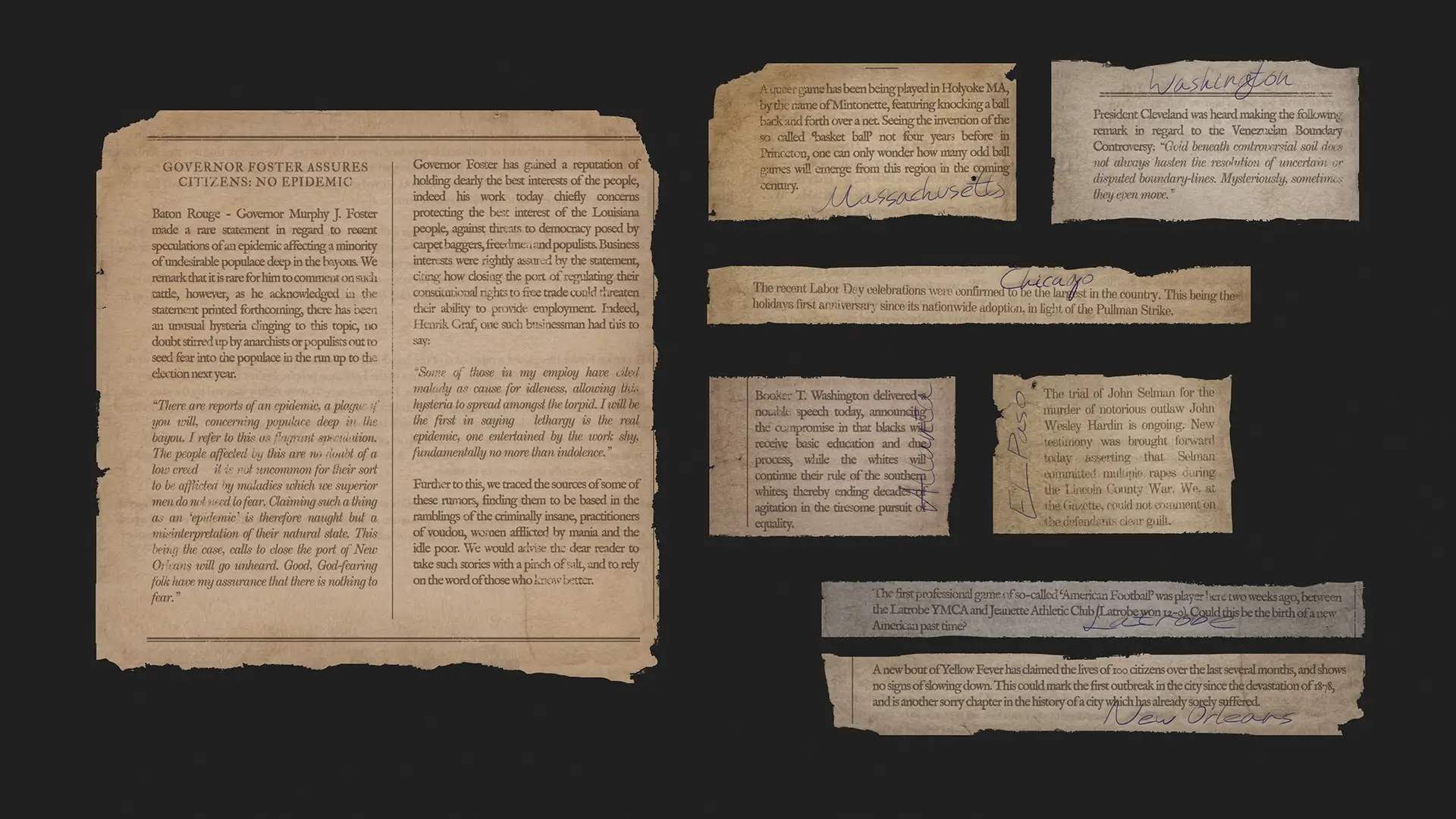
Governor Foster article
Seemingly newspaper clipping


GOVERNOR FOSTER ASSURES CITIZENS: NO EPIDEMIC

Baton Rouge - Governor Murphy J. Foster made a rare statement in regard to recent speculation of an epidemic affecting a minority of undesirable populace deep in the bayou. We remark that it is rare for him to comment on such tattle, however, as he acknowledged in the statement printed forthcoming, there has been an unusual hysteria clinging to this topic, no doubt stirred up by anarchists or populists out to seed fear into the populace in the run up to the election next year.

There are reports of an epidemic, a plague if you will, concerning populace deep in the bayou. I refer to this as flagrant speculation. The people affected by this are no doubt of a low creed. It is not uncommon for their sort to be afflicted by maladies which we superior men to not need to fear. Claiming such a thing as an 'epidemic' is therefore naught but a misinterpretation of their natural state. This being the case, calls to close the port of New Orleans will go unheard. Good, God-fearing folk have my assurance that there is nothing to fear.

Governor Foster has gained a reputation of holding dearly the best interest of the people, indeed his work today chiefly concerns protecting the best interest of the Louisiana people, against threats to democracy posed by carpet baggers, freedmen and populists. Business interests were rightly assured by the statement, citing how closing the port of regulating their constitutional rights to free trade could threaten their ability to provide employment. Henrik Graf, one such businessman, had this to say:

Some of those in my employ have cited malady as cause for idleness, allowing this hysteria to spread amongst the torpid. I will be the first in saying lethargy is the real epidemic, one entertained by the work shy, fundamentally no more than indolence.

Further to this, we traced the sources of some of these rumors, finding them to be based on the ramblings of the criminally insane, practitioners of voodoo, women afflicted by mania and the idle poor. We would advise the dear reader to take such stories with a pinch of salt, and to rely on the word of those who know better.


Several short articles
Seemingly newspapers clippings
Each one bears a handwritten note as a location


Massachusetts
A queer game has been being played in Holyoke, MA, by the name of Mintonette, featuring knocking a ball back and forth over a net. Seeing the invention of the so called "basket ball" not four years before in Princeton, one can only wonder how many odd ball games will emerge from this region in the coming century.

Washington
President Cleveland was heard making the following remark in regard to the Venezuelan Boundary Controversy: "Gold beneath controversial soil does not always hasten the resolution of uncertain or disputed boundary-lines. Mysteriously, sometimes they even move."

Chicago
The recent Labor Day celebrations were confirmed to be the largest in the country. This being the holidays first anniversary since its nationwide adoption, in light of the Pullman Strike.

Atlanta
Booker T. Washington delivered a notable speech today, announcing the compromise that blacks will receive basic education and due process, while the whites will continue their rule of the southern whites, thereby ending decades of agitation in the tiresome pursuit of equality.

El Paso
The trial of John Selman for the murder of notorious outlaw John Wesley Hardin is ongoing. New testimony was brought forward today asserting that Selman committed multiple rapes during the Lincoln County War. We, at the Gazette, could not comment on the defendants clear guilt.

Latrobe
The first professional game of so-called 'American Football' was played here two weeks ago, between the Latrobe YMCA and Jeanette Athletic Club (Latrobe won 12-0). Could this be the birth of a new American past time?

New Orleans
A new bout of Yellow Fever has claimed the lives of 100 citizens over the last several months, and shows no sign of slowing down. This could mark the first outbreak in the city since the devastation of 1878, and is another sorry chapter for the history of a city which has already suffered.


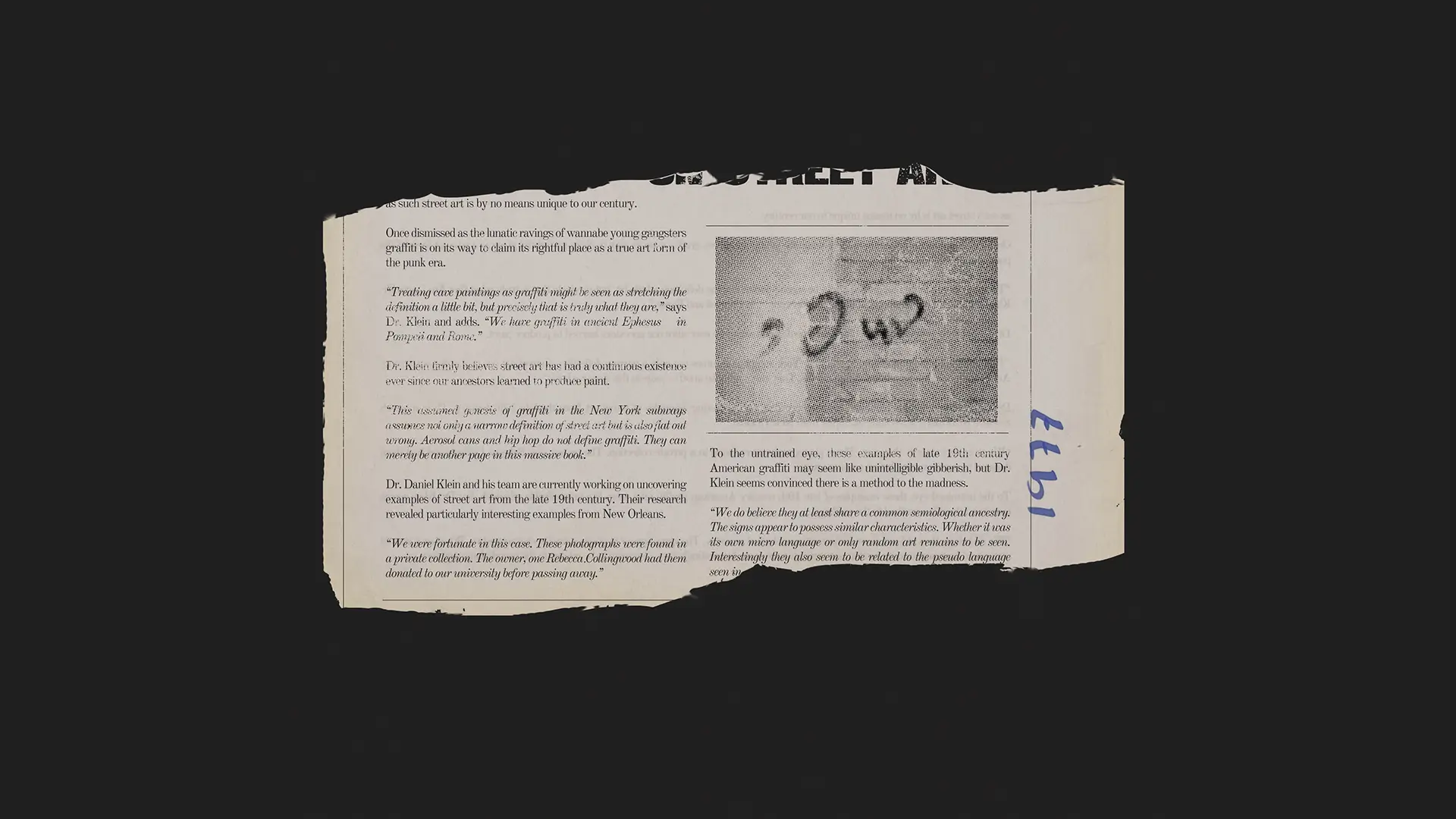
Graffiti in Voynich ?

Torn article about graffiti
Seemingly newspaper clipping
The beginning and the continuation of the article are missing


... as such street art is by no means unique to our century.

Once dismissed as the lunatic ravings of wannabe gangsters graffiti is on its way to claim its rightful place as a true art form of the punk era.

"Treating cave paintings as graffiti might be seen as stretching the definition a little bit, but precisely that is truly what they are", says Dr. Klein and adds, "We have graffiti in ancient Ephesus in Pompeii and Rome."

Dr. Klein firmly believes street art has had a continuous existence ever since our ancestors learned to produce paint.

"This assumed genesis of graffiti in the New York subways assumes not only a narrow definition of street art but is also flat out wrong. Aerosol cans and hip hop do not define graffiti. They can merely be another page in this massive book."

Dr. Daniel Klein and his team are currently working on uncovering examples of street art from the late 19th century. Their research revealed particularly interesting examples from New Orleans.

"We were fortunate in this case. These photographs were found in a private collection. The owner, one Rebecca Collingwood had them donated to our university before passing away."

To the untrained eye, these examples of late 19th century American graffiti may seem like unintelligible gibberish, but Dr. Klein seems convinced there is a method to the madness.

"We do believe they at least share a common semiological ancestry. The signs appear to possess similar characteristics. Whether it was its own micro language or only random art remains to be seen. Interestingly, they also seem related to the pseudo language seen in ...


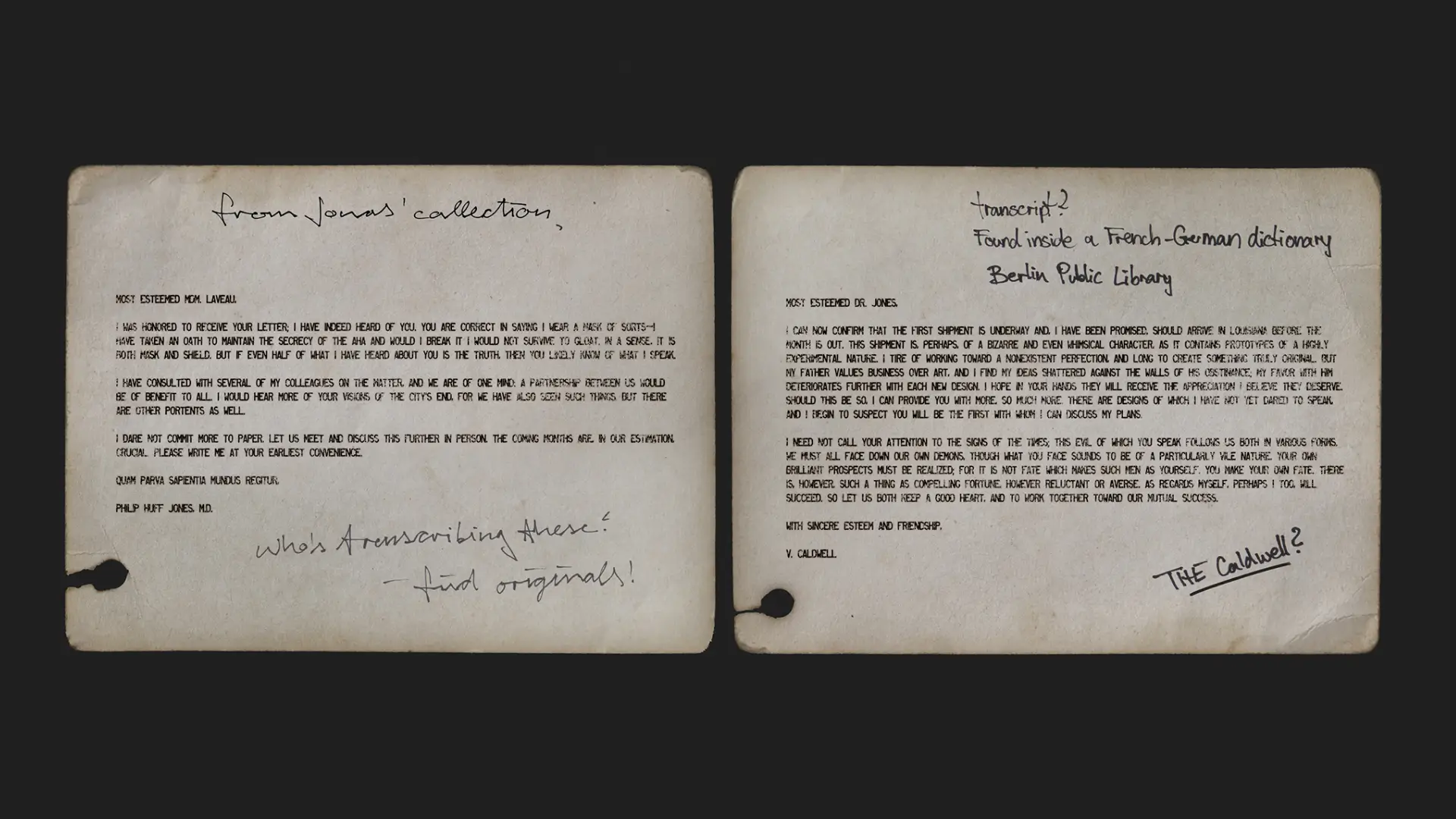
Letter to MDM LAVEAU
Handwritten notes are present:
- at top: “from Jones’ collection”
- at bottom: “who’s transcribing these? Find originals!”


MOST ESTEEMED MDM LAVEAU,

I WAS HONORED TO RECEIVE YOUR LETTER. I HAVE INDEED HEARD OF YOU. YOU ARE CORRECT IN SAYING I WEAR A MASK OF SORTS--I HAVE TAKEN AN OATH TO MAINTAIN THE SECRECY OF THE AHA AND WOULD I BREAK IT I WOULD NOT SURVIVE TO GLOAT. IN A SENSE, IT IS BOTH MASK AND SHIELD. BUT IF EVEN HALF OF WHAT I HAVE HEARD ABOUT YOU IS THE TRUTH, THEN YOU LIKELY KNOW OF WHAT I SPEAK.

I HAVE CONSULTED WITH SEVERAL OF MY COLLEAGUES ON THE MATTER, AND WE ARE OF ONE MIND. A PARTNERSHIP BETWEEN US WOULD BE OF BENEFIT TO ALL. I WOULD HEAR MORE OF YOUR VISIONS OF THE CITY'S END, FOR WE HAVE ALSO SEEN SUCH THINGS, BUT THERE ARE OTHER PORTENTS AS WELL.

I DARE NOT COMMIT MORE TO PAPER. LET US MEET AND DISCUSS THIS FURTHER IN PERSON. THE COMING MONTHS ARE, IN OUR ESTIMATION, CRUCIAL. PLEASE WRITE ME AT YOUR EARLIEST CONVENIENCE.

QUAM PARVA SAPIENTIA MUNDUS RECITUR.

PHILIP HUFF JONES, M.D.


Letter to DR. JONES
Handwritten notes are present:
- at top: “transcript? Found inside a French-German dictionary Berlin Public Library”
- at bottom: “THE Caldwell?”


MOST ESTEEMED DR. JONES,

I CAN NOW CONFIRM THAT THE FIRST SHIPMENT IS UNDERWAY AND, I HAVE BEEN PROMISED, SHOULD ARRIVE AT LOUISIANA BEFORE THE MONTH IS OUT. THIS SHIPMENT IS, PERHAPS, OF A BIZARRE AND EVEN WHIMSICAL CHARACTER, AS IT CONTAINS PROTOTYPES OF A HIGHLY EXPERIMENTAL NATURE. I TIRE OF WORKING TOWARD A NONEXISTENT PERFECTION AND LONG TO CREATE SOMETHING TRULY ORIGINAL, BUT MY FATHER VALUES BUSINESS OVER ART, AND I FIND MY IDEAS SHATTERED AGAINST THE WALLS OF HIS OBSTINANCE. MY FAVOR WITH HIM DETERIORATES FURTHER WITH EACH NEW DESIGN. I HOPE IN YOUR HANDS THEY WILL RECEIVE THE APPRECIATION I BELIEVE THEY DESERVE. SHOULD THIS BE SO, I CAN PROVIDE YOU WITH MORE, SO MUCH MORE. THERE ARE DESIGNS OF WHICH I HAVE YET DARED TO SPEAK, AND I BEGIN TO SUSPECT YOU WILL BE THE FIRST WITH WHOM I CAN DISCUSS MY PLANS.

I NEED NOT CALL YOUR ATTENTION TO THE SIGNS OF THE TIME: THE EVIL OF WHICH YOU SPEAK FOLLOWS US BOTH IN VARIOUS FORMS. WE MUST ALL FACE DOWN OUR OWN DEMONS. THOUGH WHAT YOU FACE SOUNDS TO BE OF A PARTICULARLY VILE NATURE. YOUR OWN BRILLIANT PROSPECTS MUST BE REALIZED, FOR IT IS NOT FATE WHICH MAKES SUCH MEN AS YOURSELF. YOU MAKE YOUR OWN FATE. THERE IS, HOWEVER, SUCH A THING AS COMPELLING FORTUNE, HOWEVER RELUCTANT OR AVERSE. AS REGARDS TO MYSELF, PERHAPS I TOO WILL SUCCEED, SO LET US BOTH KEEP A GOOD HEART, AND TO WORK TOGETHER TOWARD OUR MUTUAL SUCCESS.

WITH SINCERE ESTEEM AND FRIENDSHIP,

V. CALDWELL


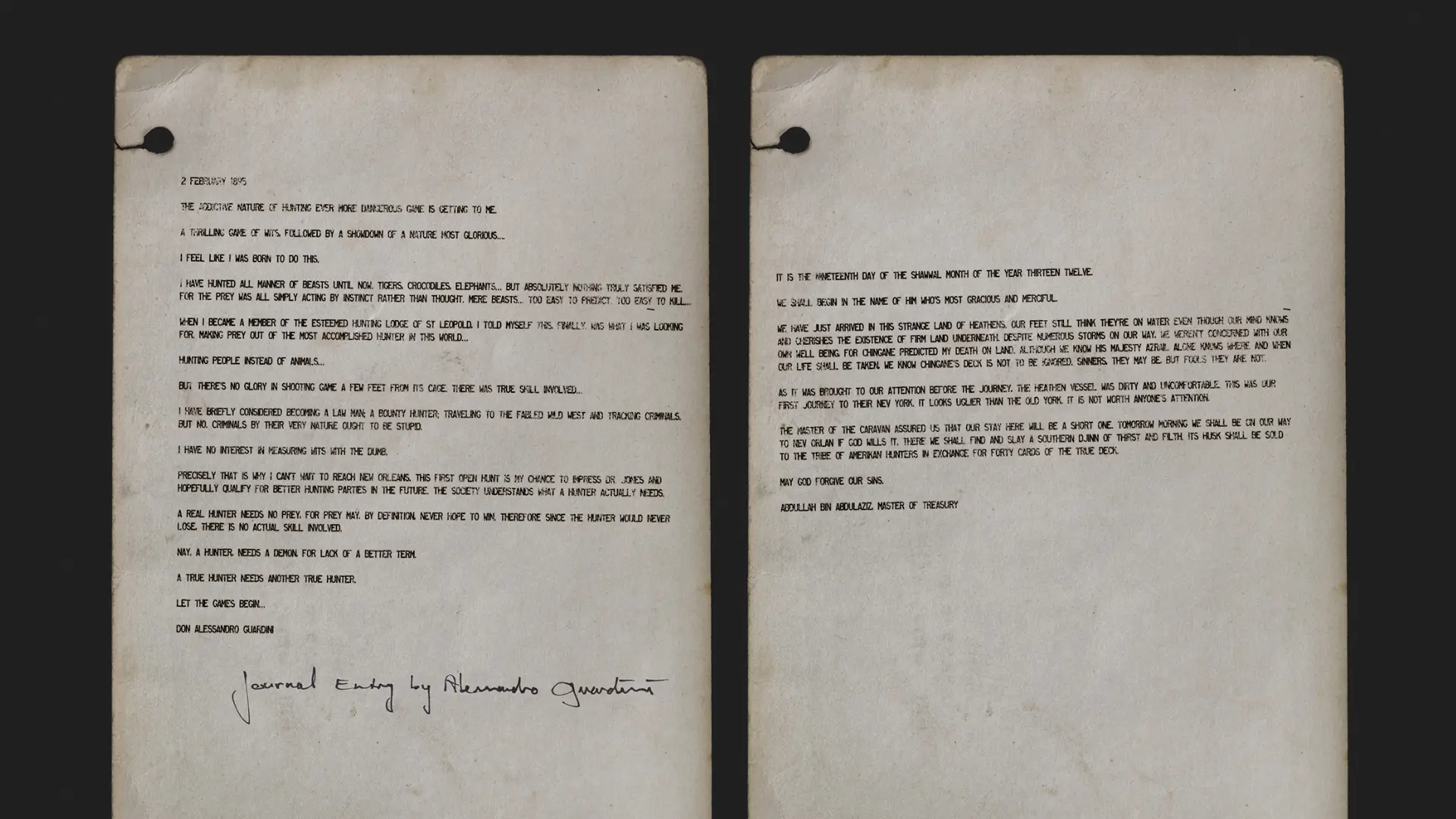
Journal entry
Handwritten note at bottom: “Journal entry by Alessandro Guardini”


2 FEBRUARY 1895

THE ADDICTIVE NATURE OF HUNTING EVER MORE DANGEROUS GAME IS GETTING TO ME.

A THRILLING GAME OF WITS, FOLLOWED BY A SHOWDOWN OF A NATURE MOST GLORIOUS...

I FEEL LIKE I WAS BORN TO DO THIS.

I HAVE HUNTED ALL MANNER OF BEASTS UNTIL NOW. TIGERS, CROCODILES, ELEPHANTS... BUT ABSOLUTELY NOTHING TRULY SATISFIED ME, FOR THE PREY WAS ALL SIMPLY ACTING BY INSTINCT RATHER THAN THOUGHT. MERE BEASTS... TOO EASY TO PREDICT, TOO EASY TO KILL...

WHEN I BECAME A MEMBER OF THE ESTEEMED HUNTING LODGE OF ST. LEOPOLD, I TOLD MYSELF THIS, FINALLY, WAS WHAT I WAS LOOKING FOR. MAKING PREY OUT OF THE MOST ACCOMPLISHED HUNTER IN THIS WORLD.

HUNTING PEOPLE INSTEAD OF ANIMALS...

BUT THERE IS NO GLORY IN SHOOTING GAME A FEW FEET FROM ITS CAGE. THERE WAS TRUE SKILL INVOLVED.

I HAVE BRIEFLY CONSIDERED BECOMING A LAW MAN, A BOUNTY HUNTER, TRAVELING THE FABLED WILD WEST AND TRACKING CRIMINALS. BUT NO, CRIMINALS BY THEIR VERY NATURE OUGHT TO BE STUPID.

I HAVE NO INTEREST IN MEASURING WITS WITH THE DUMB.

PRECISELY THAT IS WHY I CAN'T WAIT TO REACH NEW ORLEANS. THIS FIRST OPEN HUNT IS MY CHANCE TO IMPRESS DR. JONES AND HOPEFULLY QUALIFY FOR BETTER HUNTING PARTIES IN THE FUTURE. THE SOCIETY UNDERSTANDS WHAT A HUNTER ACTUALLY NEEDS.

A REAL HUNTER NEEDS NO PREY, FOR PREY MAY, BY DEFINITION, NEVER HOPE TO WIN. THEREFORE SINCE THE HUNTER WOULD NEVER LOSE, THERE IS NO ACTUAL SKILL INVOLVED.

NAY, A HUNTER NEEDS A DEMON, FOR LACK OF A BETTER TERM.

A TRUE HUNTER NEEDS ANOTHER TRUE HUNTER.

LET THE GAMES BEGIN...

DON ALESSANDRO GUARDINI


Journal entry

IT IS THE NINETEENTH DAY OF THE SHAWWAL MONTH OF THE YEAR THIRTEEN TWELVE.

WE SHALL BEGIN IN THE NAME OF HIM WHO'S MOST GRACIOUS AND MERCIFUL.

WE HAVE JUST ARRIVED IN THIS STRANGE LAND OF HEATHENS. OUR FEET STILL THINK THEY'RE ON WATER EVEN THOUGH OUR MIND KNOWS AND CHERISHES THE EXISTENCE OF FIRM LAND UNDERNEATH. DESPITE NUMEROUS STORMS ON OUR WAY, WE WEREN'T CONCERNED WITH OUR OWN WELL BEING, FOR CHINCANE PREDICTED MY DEATH ON LAND. ALTHOUGH WE KNOW HIS MAJESTY AZRAIL ALONE KNOWS WHERE AND WHEN OUR LIFE SHALL BE TAKEN, WE KNOW CHINCANE'S DECK IS NOT TO BE IGNORED. SINNERS, THEY MAY BE, BUT FOOLS THEY ARE NOT.

AS IT WAS BROUGHT TO OUR ATTENTION BEFORE THE JOURNEY, THE HEATHEN VESSEL WAS DIRTY AND UNCOMFORTABLE. THIS WAS OUR FIRST JOURNEY TO THEIR NEV YORK. IT LOOKS UGLIER THAN THE OLD YORK. IT IS NOT WORTH ANYONE'S ATTENTION.

THE MASTER OF THE CARAVAN ASSURED US THAT OUR STAY HERE WILL BE A SHORT ONE. TOMORROW MORNING WE SHALL BE ON OUR WAY TO NEV ORLAN IF GOD WILLS IT. THERE WE SHALL FIND AND SLAY A SOUTHERN DJINN OF THIRST AND FILTH. ITS HUSK SHALL BE SOLD TO THE TRIBE OF AMERIKAN HUNTERS IN EXCHANGE FOR FORTY CARDS OF THE TRUE DECK.

MAY GOD FORGIVE OUR SINS.

ABDULLAH BIN ABDULAZIZ, MASTER OF TREASURY


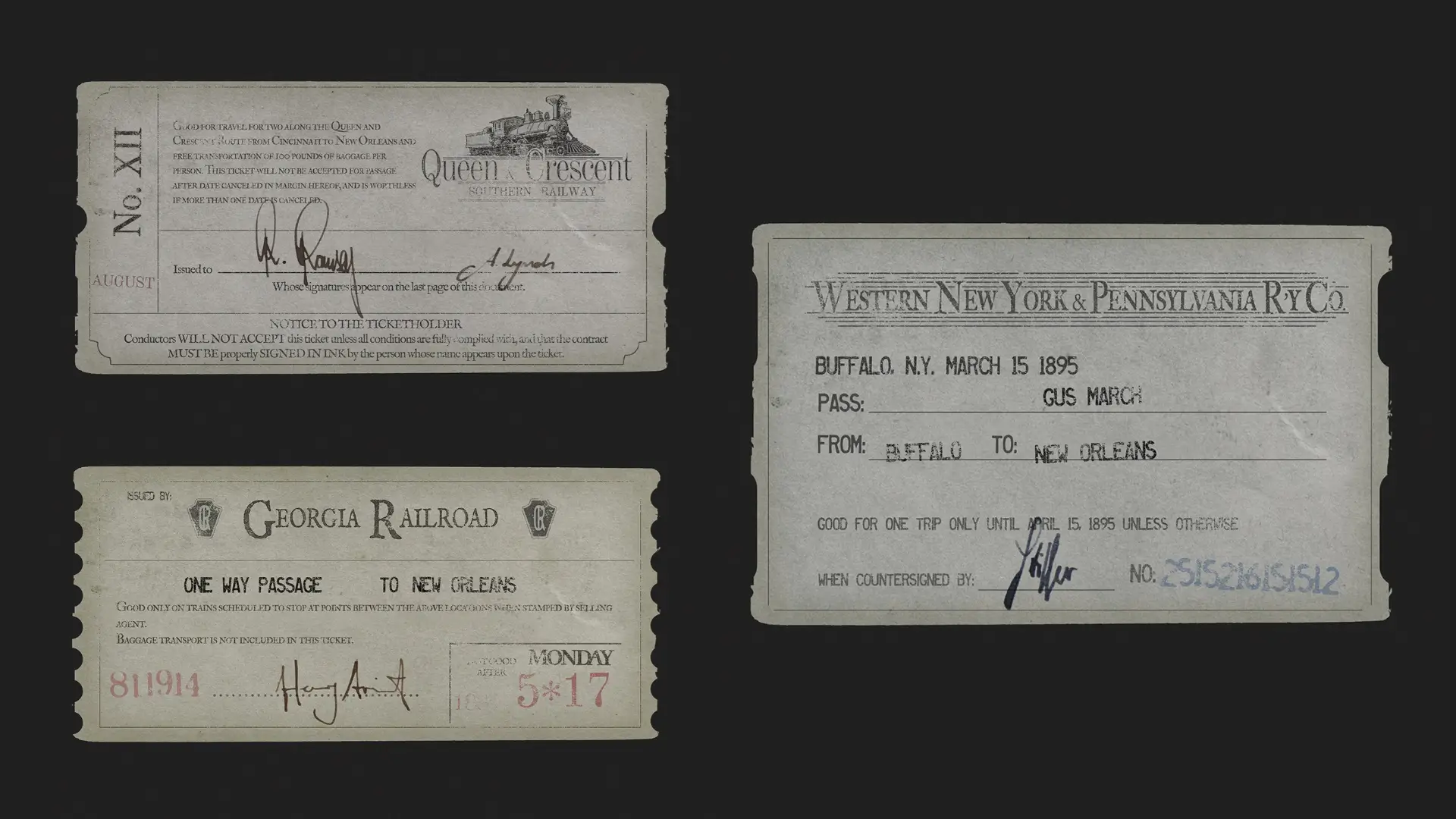
Three railway tickets
from different railway companies


Queen & Crescent
SOUTHERN RAILWAY


No. XII
AUGUST

GOOD FOR TRAVEL FOR TWO ALONG THE QUEEN AND CRESCENT ROUTE FROM CINCINNATI TO NEW ORLEANS AND FREE TRANSPORTATION OF 100 POUNDS OF BAGGAGE PER PERSON. THIS TICKET WILL NOT BE ACCEPTED FOR PASSAGE AFTER DATE CANCELED IN MARGIN HEREOF, AND IS WORTHLESS IF MORE THAN ONE DATE IS CANCELED.

Issued to: R. RAMSEY, A. LYNCH
Whose signatures appear on the last page of this document.

NOTICE TO TICKETHOLDER
Conductors WILL NOT ACCEPT this ticket unless all conditions are fully complied with, and that the contract MUST BE properly SIGNED IN INK by the person whose name appears on the ticket.


GEORGIA RAILROAD

ONE WAY PASSAGE TO NEW ORLEANS

GOOD ONLY ON TRAINS SCHEDULED TO STOP AT POINTS IN BETWEEN THE ABOVE LOCATIONS WHEN STAMPED BY SELLING AGENT.
BAGGAGE TRANSPORT IS NOT INCLUDED IN THIS TICKET.


811914 H??? A??? illegible signature
MONDAY 188? 5∗17 last digit of year faded out


WESTERN NEW YORK & PENNSYLVANIA R'Y CO.

BUFFALO, N.Y. MARCH 15 1895
PASS: GUS MARCH
FROM: BUFFALO
TO: NEW ORLEANS
GOOD FOR ONE TRIP ONLY UNTIL APRIL 15, 1895 UNLESS OTHERWISE ORDERED
WHEN COUNTERSIGNED BY: ______
illegible signature
NO: 2515216151512


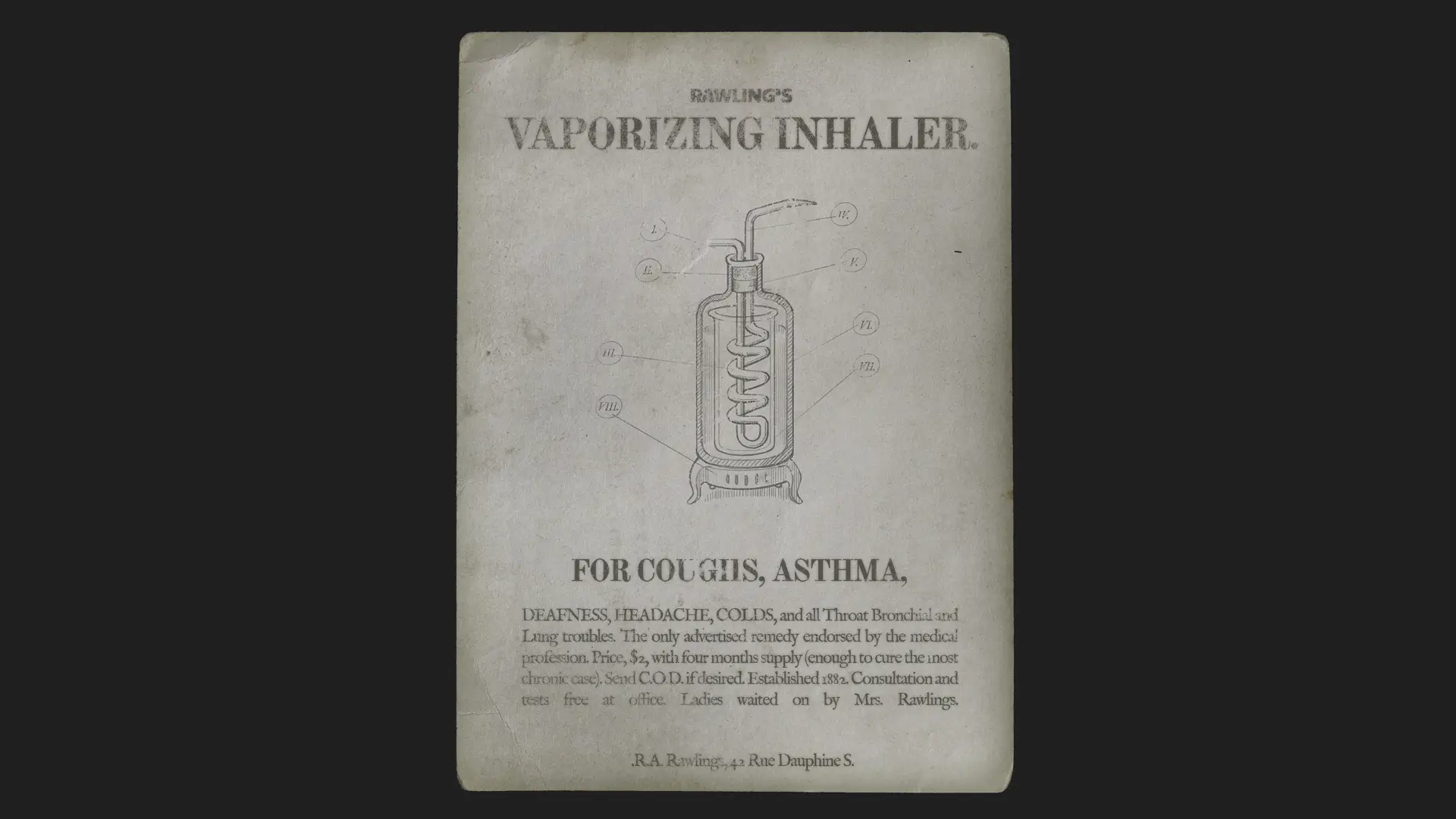
Advertisement

RAWLING'S
VAPORIZING INHALER

FOR COUGHS, ASTHMA,
DEAFNESS, HEADACHE, COLDS and all Throat Bronchial and Lung troubles. The only advertised remedy endorsed by the medical profession. Price, $2, with four months supply (enough to cure the most chronic case). Send C.O.D. if desired. Established 1882. Consultation and tests free at office. Ladies waited on by Mrs. Rawlings.
.R.A. Rawlings, 42 Rue Dauphine S.
Faits divers

Rien à voir avec la Chasse ou ces histoires de Corruption……


The history of places

Only a few places have an article about their history.


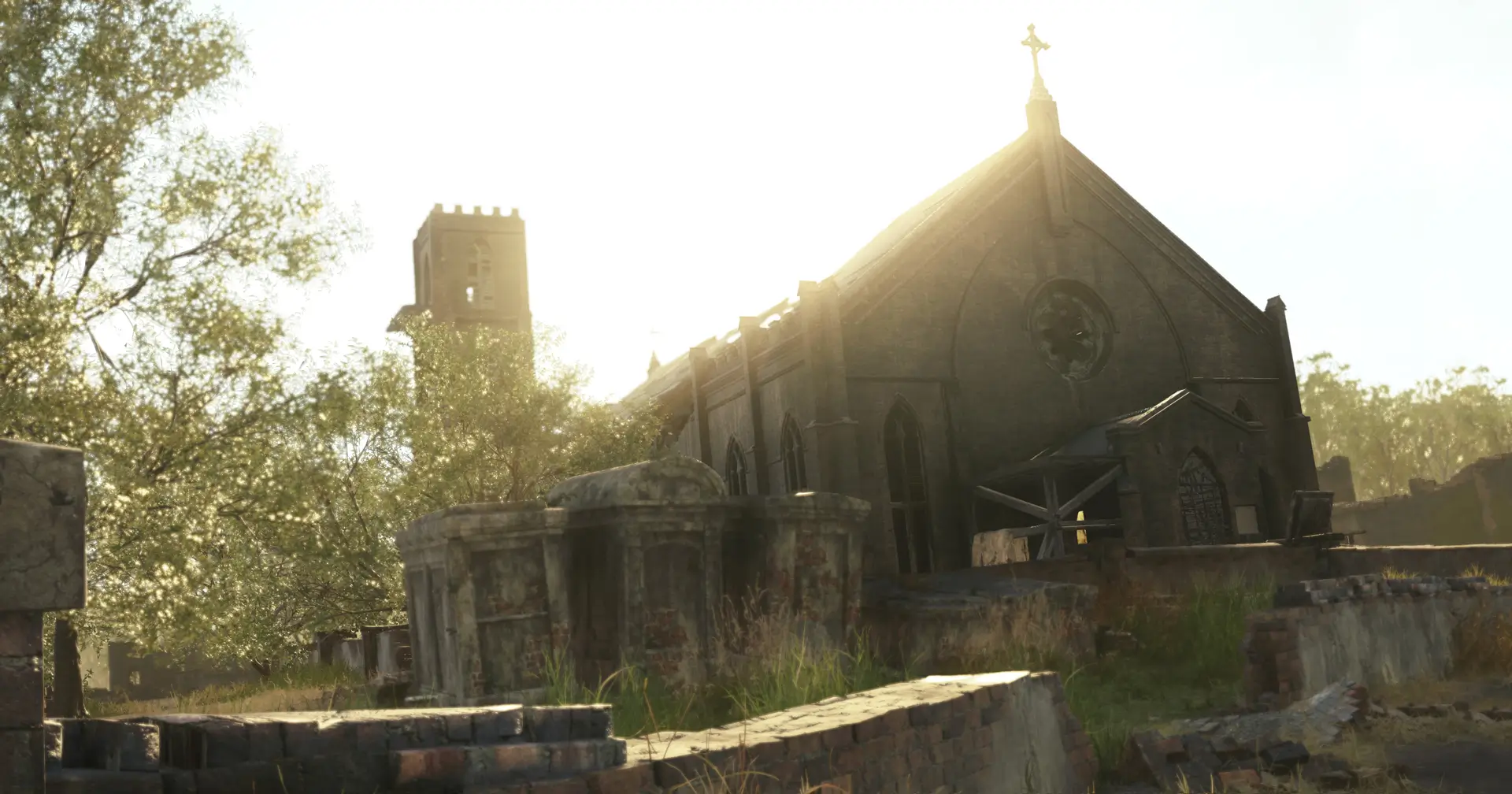
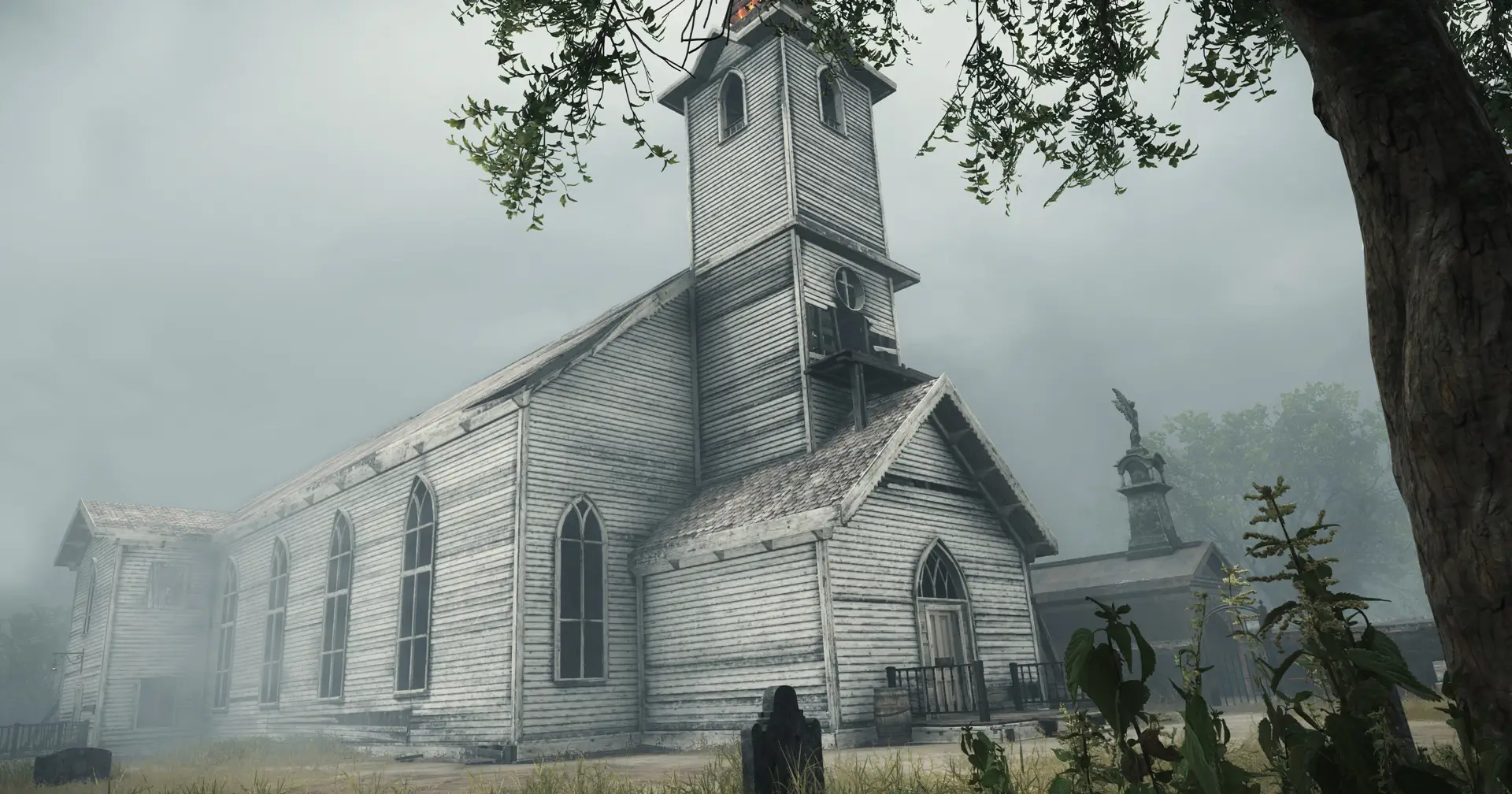
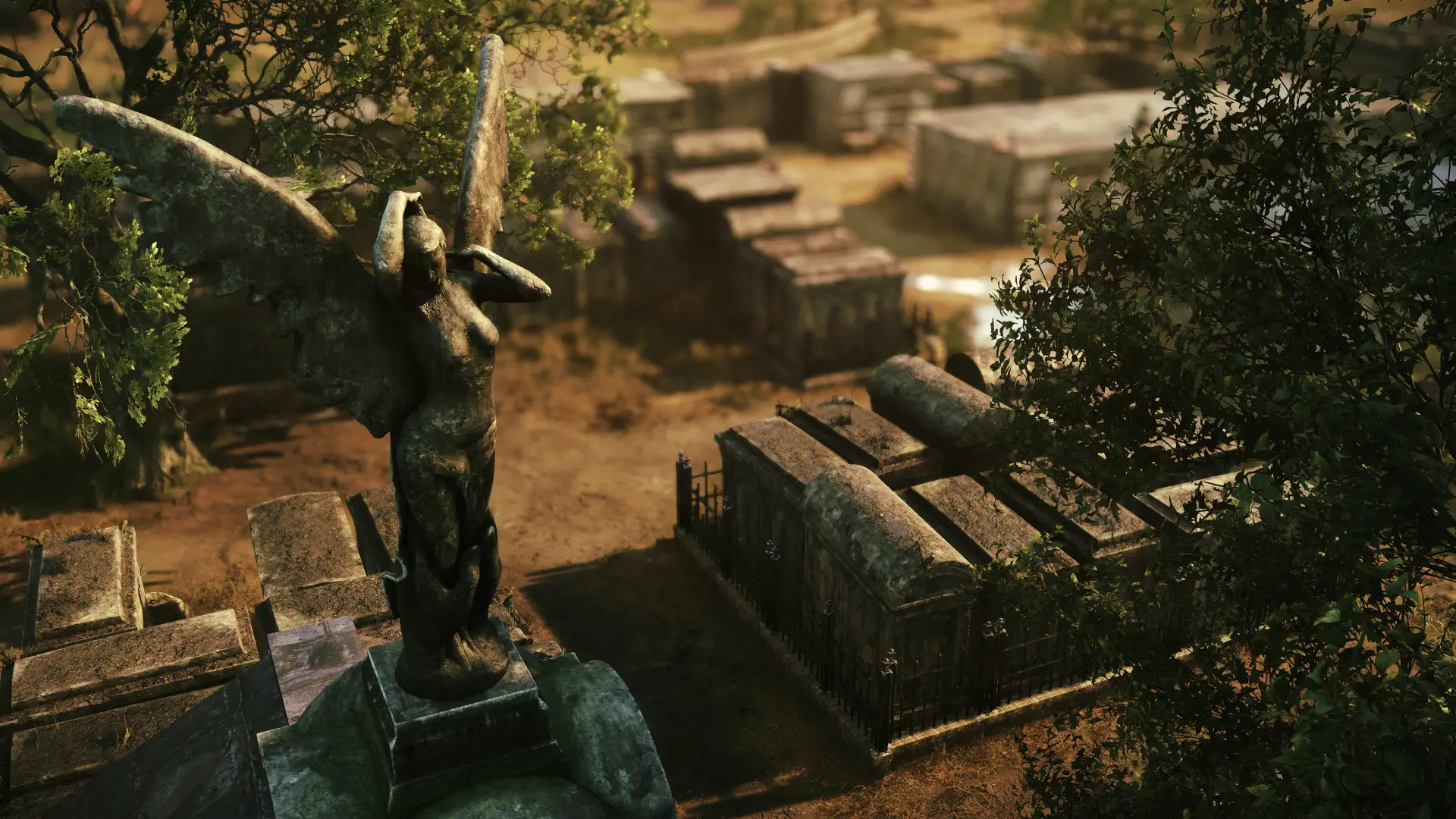
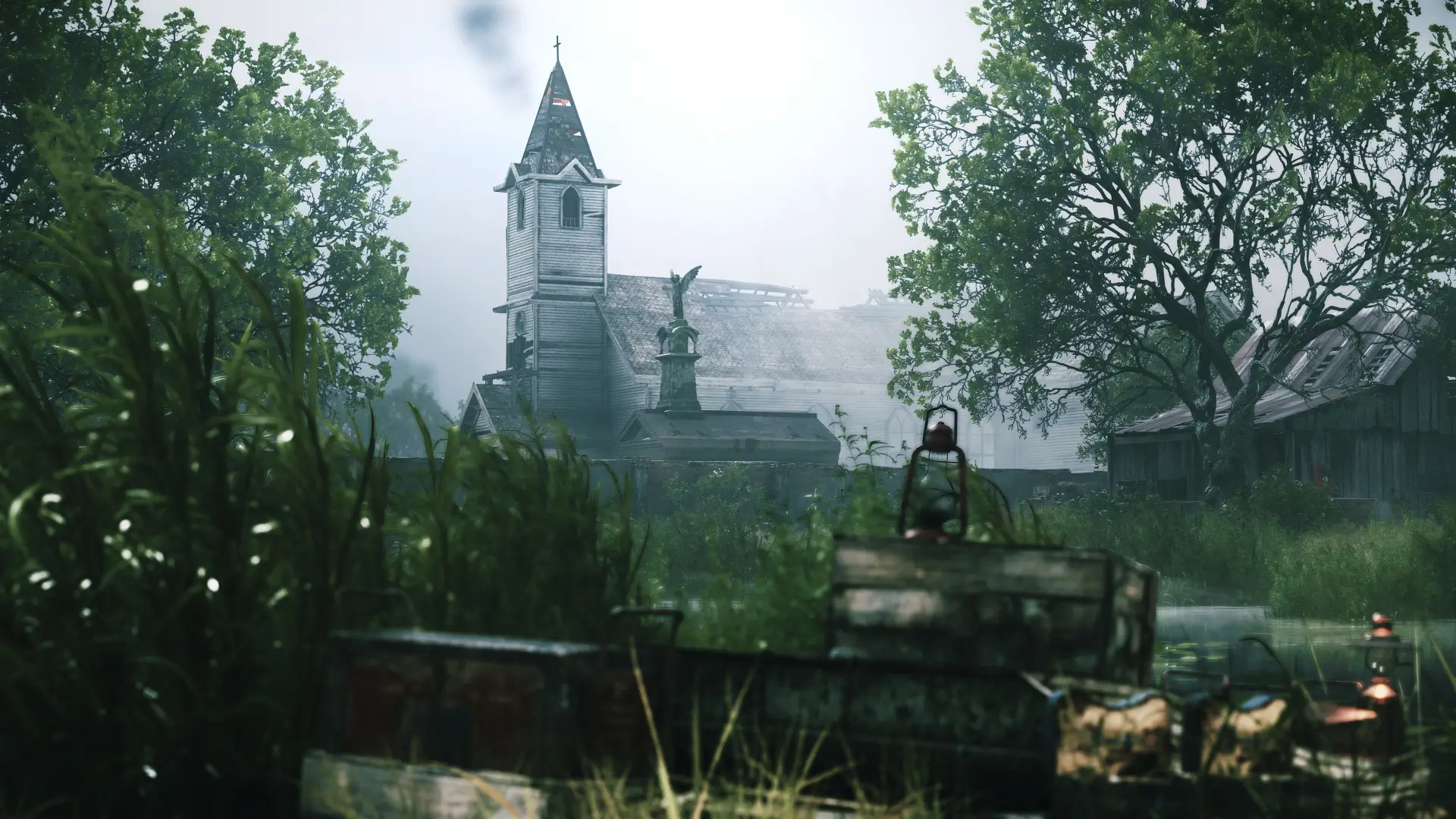
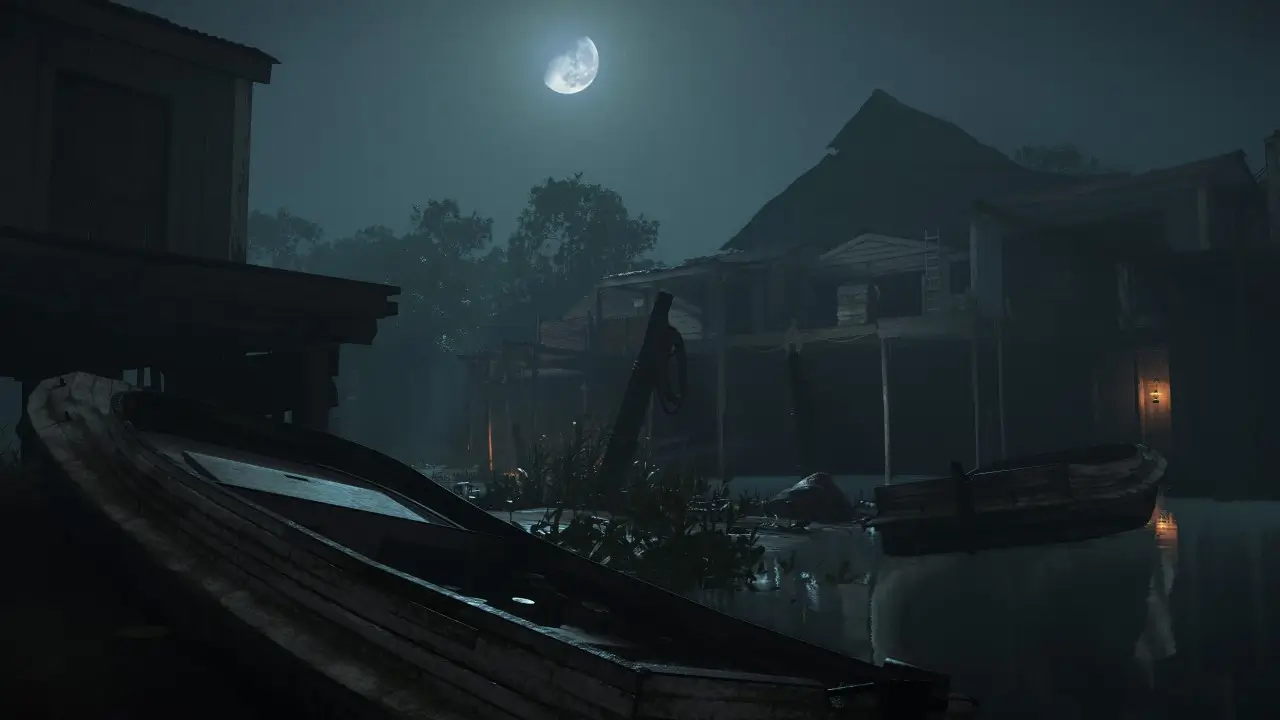
The History of Blanchett Graves

The history of the Blanchett Graves is the longest in the region and is mired in death and misfortune. Letters indicate that the foundation stone was laid in 1761, during French Colonial Control of Louisiana. Newly appointed Ordonnateur d'Abbadie, charged with resolving a conflict between Capuchin and Jesuit denominations, wrote from Paris commissioning the construction of a new church. His intention was to separate the two groups entirely, requesting the church be built outside New Orleans. The selected site was far south of the city boundaries. It was rumored that the administrator responsible belonged to one of the two denominations, choosing the location maliciously to force the other out the city.

Ordonnateur d'Abbadie never arrived to oversee its construction, being captured en route to New Orleans by English Warships and held as a prisoner of war. Two years later, in 1763, he arrived to serve as governor. Curiously, during the two years he held the position, he did not refer to the ongoing construction, despite his continuing financial support. Further compounding the mystery is the unfortunate fact that the Jesuits were expelled from New Orleans in 1763. Father Michel Baudouin, Vicar-General of the Jesuits during this period, also fails ever to mention the church.


Regardless, the church structure itself must have been completed in 1765. In the years that followed there are scant records of the size and character of its congregation; however, this is not unusual for the era. While there are some references to it being named “St. Sebastian Church," these are contradicted elsewhere, and their verifiability is impossible to determine.


The church resurfaces again, literally, in the early nineteenth century. It was damaged beyond repair during the hurricane of 1812 when large tracts of land south of New Orleans were devastatingly flooded. In the months following, newspapers report the unnerving story of twelve bodies found in the church. They speculate the twelve fled there for safety from rising waters and were trapped for several weeks. Starving, evidence suggests they were forced to resort to cannibalism. Further tragedy struck when the men who found the bodies perished of an unknown infection.

Consequently, the area gained a notorious reputation. As it fell into disrepair, perennial flooding and storms kept raising the corpses inhumed. Following the devastating hurricane of 1838, all remaining bodies were reburied in crypts.


Jacques Blanchett undertook this expensive act of public benevolence. Blanchett was a prominent businessman and plantation owner in New Orleans who grew immensely wealthy during the antebellum, and was rumored to be a descendant of French aristocracy (a rumor likely started by Jacques himself). As was the fashion of the time, Jacques had a romantic appreciation of ruins and fell in love with the decrepit church. Due to this, locals began referring to it as the “Blanchett Graves."
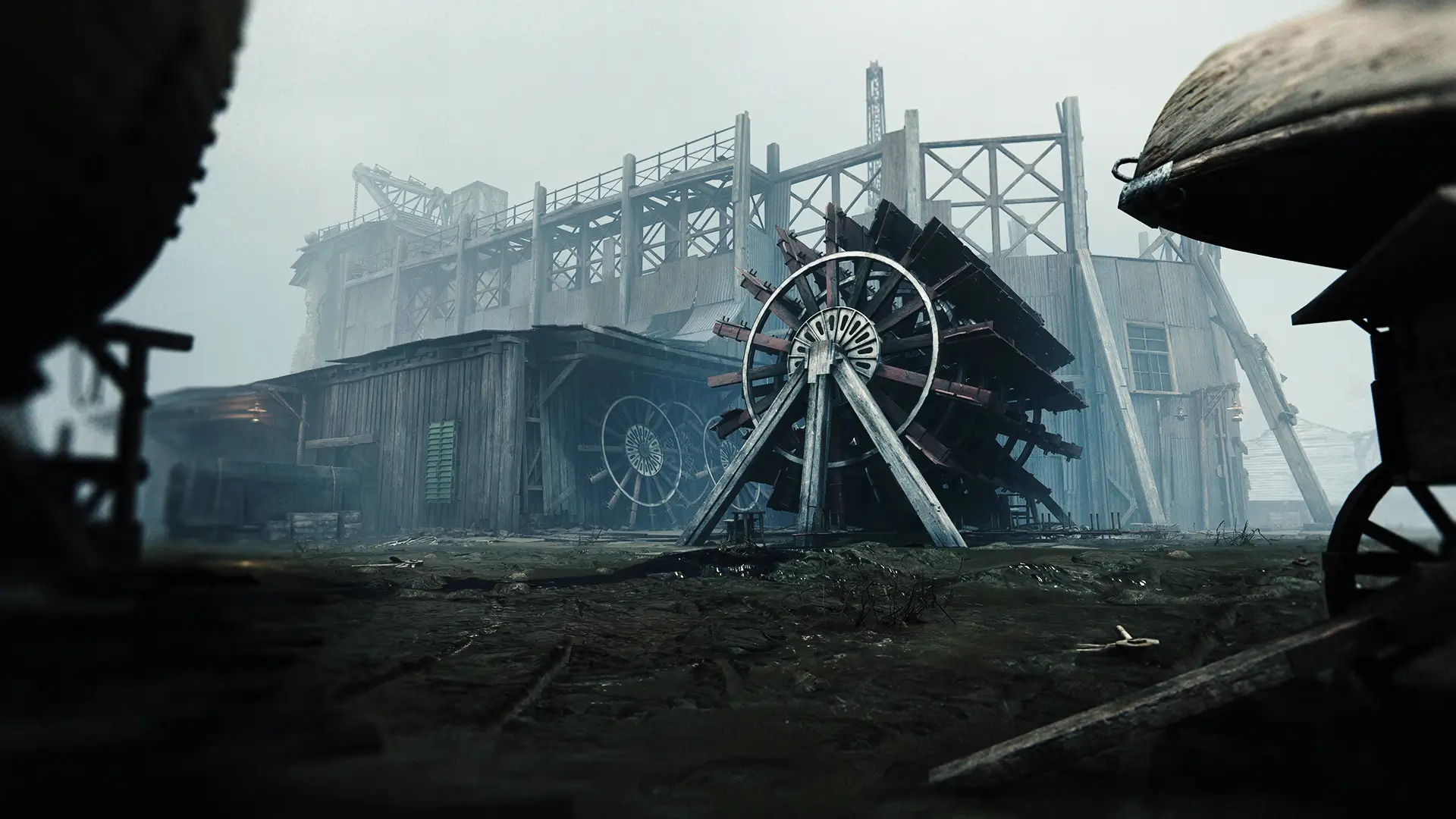
Illustration shows Darin Shipyard

The History of Upper & Lower DeSalle

One might think that the split between Upper DeSalle and Lower DeSalle was the consequence of geography, that the waterways drove a wedge between the two portions of town. Or, perhaps an administrative convenience, to split the town into two, to better manage it. The truth of the matter is in fact more personal.

It's a tale of two brothers, unworthy of their inheritance: the last in a long line of DeSalles who have lived there since their ancestors arrived in the territory. A steady decline in family fortune had naturally seen most of the DeSalle land sold off in packets and parcels, to buoy family finances. However, on the passing of Corentin DeSalle in 1872, the town was still known just as DeSalle, with but nominal differences between the two sides.

The brothers, Darin and Lewis, were fervent competitors. Their lives had always headed down different paths. If they had not been brothers, perhaps they would have never crossed paths. Or maybe it was their brotherhood itself that drove them apart, like two magnets repelling each other in different directions. However much they despised it, their lives brought them together as unwilling partners, and their life-long project was coming to terms with that, and making something of it.

Darin inherited most of the land in the upper town, Lewis the lower. Darin was a diligent landlord, and his businesses prospered. He attracted reputable businesses. He maintained his stake in the Kingsnake Mine, ensuring its continued operation, and making a tidy profit. He cooperated with the Ash Creek Lumber company to fell the nearby woods, and noting the huge profit to be made in ship building, became one of its primary customers, his self-named shipyard gaining a good reputation.

Lewis was not as industrious. He had been his mother's favorite, and surprisingly for a younger son, inherited her family home, the Pearl Plantation. But wanting nothing to do with it, or its legacy, he allowed it to fall into dilapidation. He instead took over ownership of the saloon and wiled away his time on both sides of the bar.

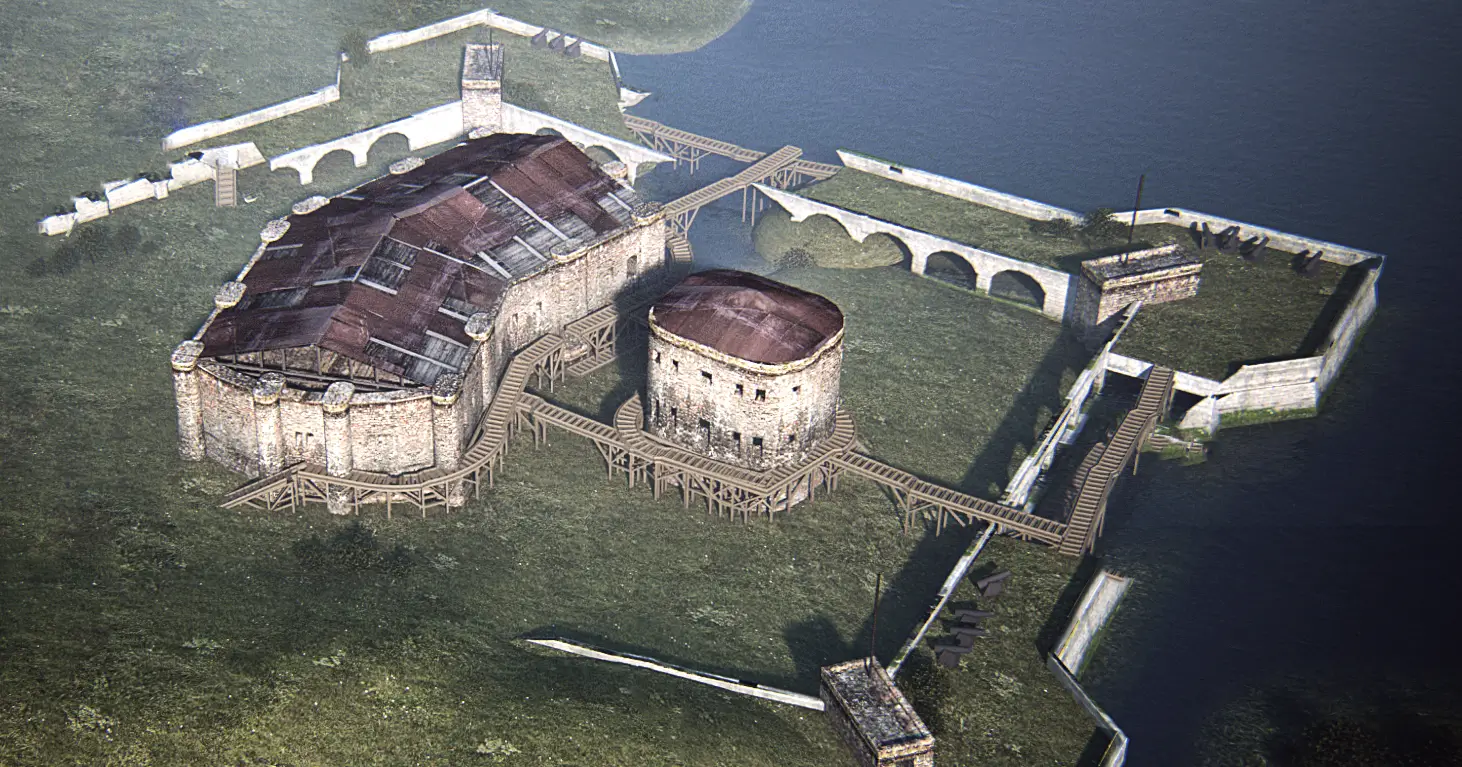
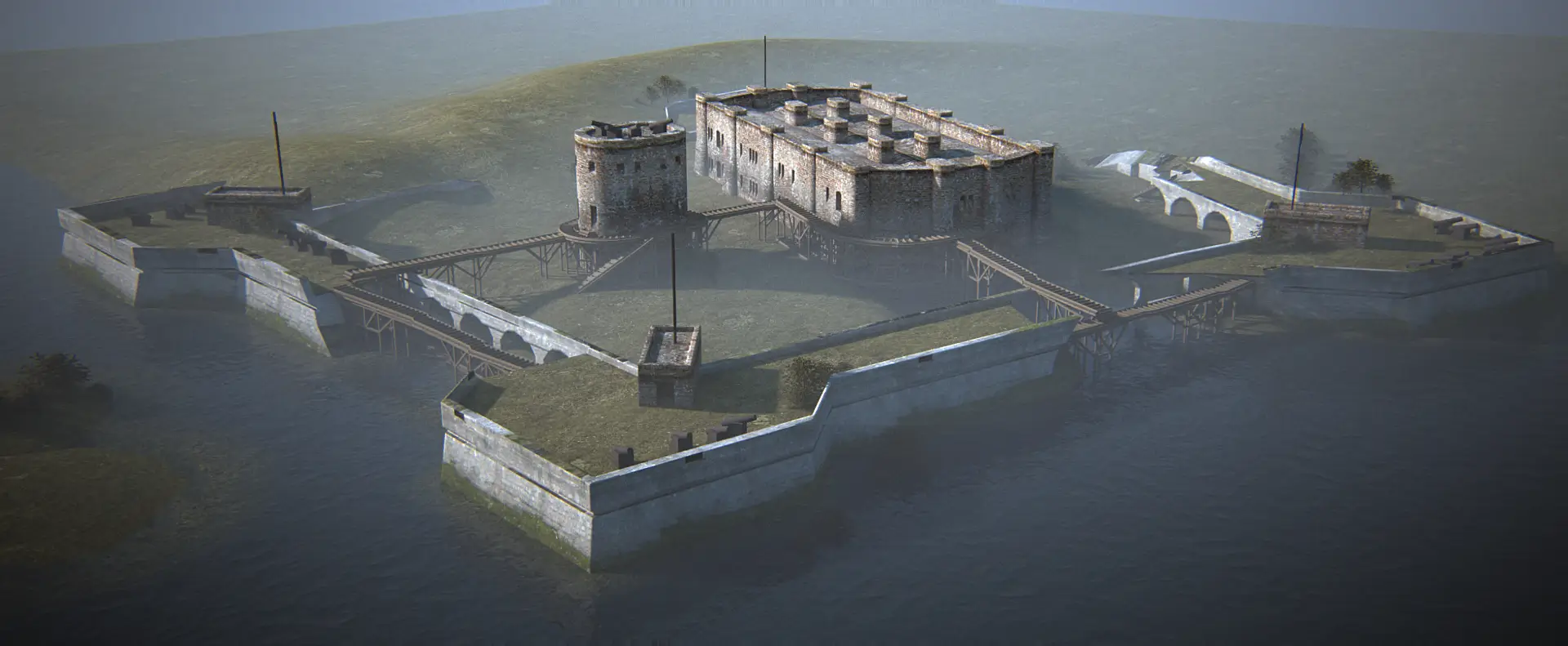
The History of Fort Carmick

In the years following the Battle of 1812, the US Government embarked on an ambitious program to better fortify and protect their territorial waters. In the closing days of the war the Americans had triumphed in the Battle of New Orleans, but at too great a risk. Inadequate coastal defenses had enabled the British to reach and assault the fortifications of New Orleans.

In order to prevent such a scenario ever occurring again, key locations on the surrounding lakes and waterways became sites of a defensive network of forts and batteries. These would deter attack from hostile foreign powers and render impotent the efforts of those unwavering in their ambition.

One such location now hosts Fort Carmick, named in honor of Daniel Carmick, an officer in the United States Marines Corps and hero of the Battle of New Orleans. With expansive views over surrounding waterways, and fire support from a parallel battery, Fort Carmick is capable of projecting its power over a wide expense of territory.

The peace of mind enjoyed by those living in the shadow of Fort Carmick was shattered during the Civil War. Following the fall of New Orleans to the Union in April 1862, Confederate forces withdrew up the Mississippi River toward Baton Rouge, leaving many of their coastal fortifications isolated. Later in 1862, the Fort was wrested from the Confederacy during a brief and bloody siege.


The Fort stayed in Union hands throughout the rest of the war. Its secure location enabled the expansion of nearby iron works and arsenals, equipping the Union for their campaigns throughout Louisiana and Mississippi. In peacetime, it became an important bastion of Federal Power during Reconstruction.

This brought affluence to the region. Military industry brought in railroads faster than elsewhere in Louisiana. This broadened horizons of trade for all manner of other local businesses, an effect that intensified when geographic changes caused the river to silt and shallow; the place would have dried up if not for the lifeline of the railway.

But the fort, and consequently the railroad, had brought in more than wealth. A former prisoner-of-war camp in the fort's vicinity was developed into a penitentiary. Traditionalists wary of industry were correct in saying criminals were being brought in by the carriage.

Fort Carmick outlived its usefulness and today, stands derelict. Peacetime rendered it superfluous, after the end of Reconstruction the need for a garrison was eliminated. Geographic changes in the river had undermined the usefulness of its position. Subsequently, numerous hurricanes battered it, causing irreparable structural damage. The fort was quietly decommissioned in 1885, and left to sink back into the mud. The locals still scrape by a living, wary of the fort which built their town and doomed them to irrelevance.

The History of Healing Waters Church

The swamp dwellers were left mainly to their own, spiritually, until the arrival of Evangelist Ishim Gird. The population, an amalgamation of French, freed slaves, Germans, Haitians, Irish, and Spanish, had brought with them their own religions and customs. In addition to this, the community was already served by the presence of two churches, though one of which was a ruin.

Gird was a committed evangelical, who came to know Port Reeker through his travels to minister at Fort Carmick towards the end of the Civil War. He became curiously enamored with the people he found, finding them lacking in the basic and essential spirituality he considered taken for granted elsewhere in the United States. Several trips to the area made him resolute in his endeavor: to save the souls of those who would otherwise be damned.


Gird was a gifted and charismatic preacher and had soon built a large following amongst the local people, but he needed a church to house the congregation. An account from the time conflates him with a sense of “hope," said to be “as foreign a sentimentality amongst the men here as literacy." He inspired acts of alms; people gave him what they had. Fundraising missions in New Orleans raised more capital, once city folk were made aware of the deplorable conditions endured by their southern neighbors.

Gird purchased land from the dwindling Blanchett estate, but ran into opposition from the Widow once she understood his intentions. Despite this, in 1870 Gird's Church was built, named Healing-Waters for the bayous it stood amongst. Gird became renowned as a minister. The populace spoke of Gird as having overcome the Widow's “curse." Gird, in private, dismissed any such notion, but declared publically that “God's will was strong than an old crone's curse." There was a newfound sense of community amongst the townspeople in their weekly congregation. This feeling did not last.


While Gird had an initial momentum, by the end of the decade this tapered to a trickle. As he entered old age, he became a shadow of his former self. Over time, his sermons turned to external dangers facing the community: industry as it devastated once serene forests, hurricanes as they deluged the lands. Then, he turned to the sins of his congregation: greed, pride, gluttony, and other cardinal sins. He became obsessed with sin, the demons that lurked within, and the fire and brimstone awaiting everyone.

His following dwindled to only the most devout and loyal. He sealed himself away from the outside world. Many speculated as to what had caused his decline, suggesting that he had come to regret the money he had invested and the isolation of the swamp. Some wondered if he had made a move to escape a dark past, one that had caught up with him. Others believed that the Crone's curse had gotten the better of him, in some unseen and invisible way. A few put it down to just being something in the water…


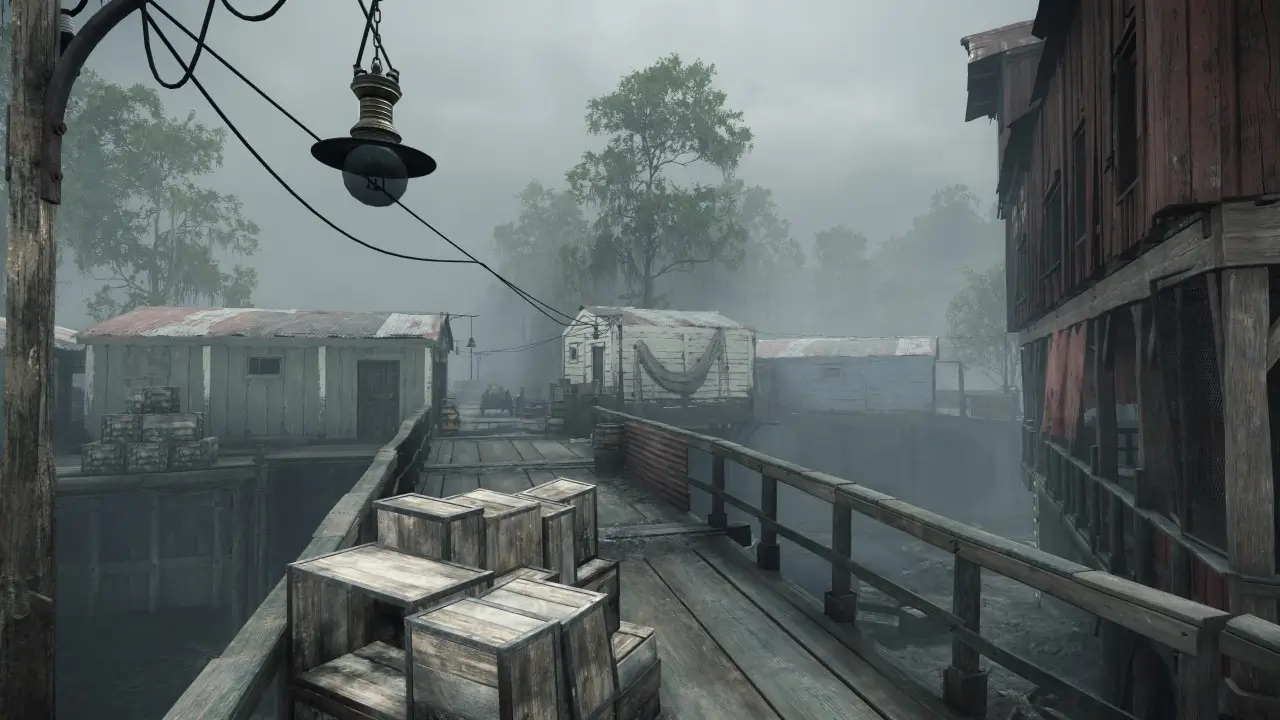
The History of Port Reeker

Although Port Reeker is the largest settlement for miles around, little is recorded of it. To make matters worse, what accounts we do have clash drastically with all officially recorded statistics or numbers. Comparisons have been made to Manila Village and Saint-Malo elsewhere in South Louisiana. These are mostly exaggerations, Port Reeker was not isolated to the same degree, though they do share foundational legends: Filipino pirates who overthrew their Spanish masters and settled in the swamps.

Whether or not this is true, by the mid-nineteenth century, there was a significant Creole population living in the town, mentioned by numerous traders. While the town was not exactly thriving, there was indeed a number capable of making a living fishing and selling their goods in New Orleans.


There are various stories of how the place came to be named “Reeker." Some suggest it was named for James Reeker, who founded the current town. However, no official records exist of such a man. Others point to a local legend. In 1795, a bloated whale carcass washed up at the port. As it rotted, it created a tremendous and overpowering stench. Many were at a loss as to how it turned up there. Worryingly, throughout the summer, more carcasses drifted ashore. The smell was said to have hung throughout the winter.


During the Civil War, trade to and fro Port Reeker all but ceased as they purposely isolated themselves from the broader conflict. It was following the war, during Reconstruction, that the town began to thrive. The mouth of the Mississippi had a shallow draught and was often unnavigable for ships. Sometimes, without a better option, cargo came through Port Reeker instead.

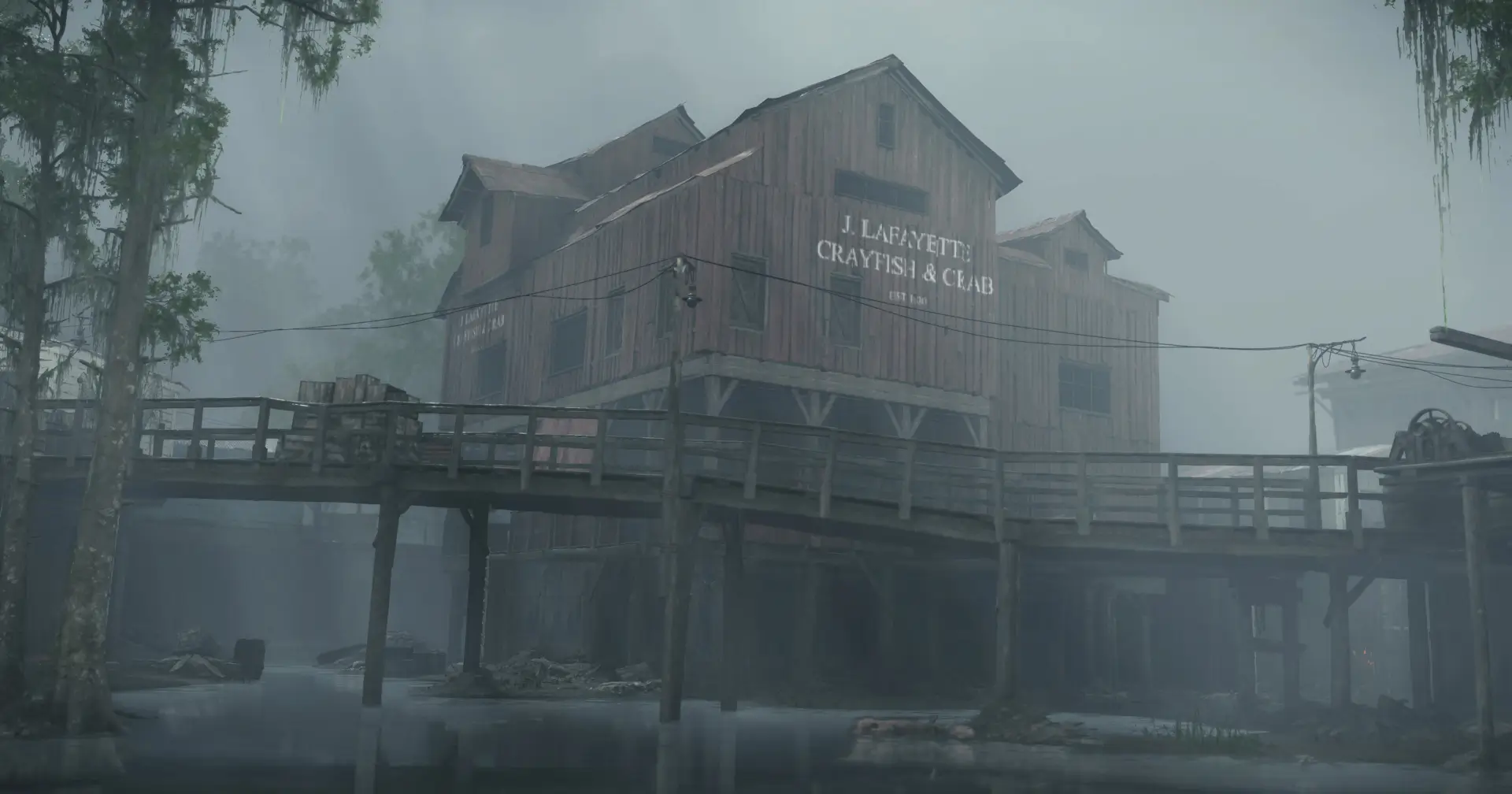
This brought the port to the attention of Henrik Graf. A businessman, Graf was eager to take any opportunity he could. In 1877, James Buchanan Eads cleared the Mississippi, and Port Reeker was faced with a crisis. Graf bought the goods warehouses and constructed his own processing plant. The logic was sound as labor was cheap out in the bayou, especially as those living there had little else to turn to.


Graf preferred to remain in the background, an orchestrator rather than an empire builder. For all his acquisitions, he preferred to retain the local and familiar branding. To some, this gave cause for suspicion: why would he avoid fronting his own ventures? His response was always the same, to preserve and honor the local character and customs.

Business boomed until the Panic of 1893. Graf, a keen financial speculator, lost thousands. It was said to have deeply affected his character. He imposed harsher and harsher conditions on his workforce, causing many to leave Port Reeker. They brought stories to New Orleans of a sad and demented man who would stop at nothing to regain the wealth he lost…

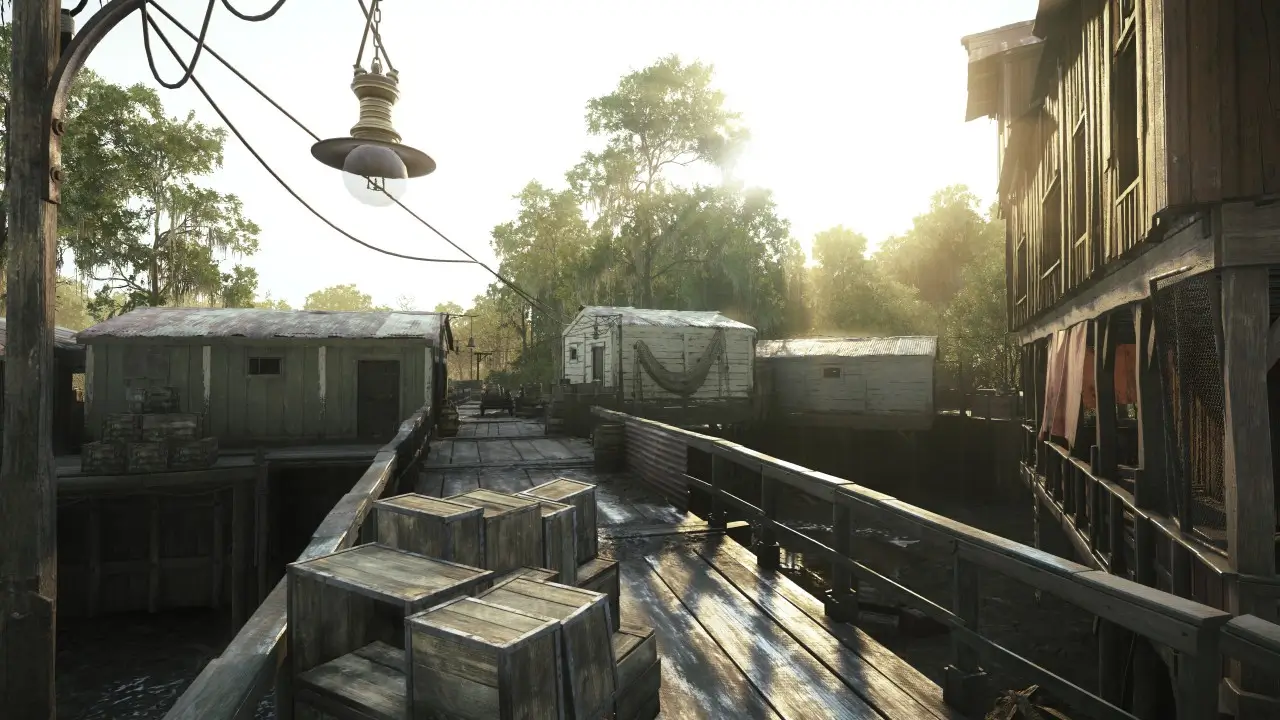
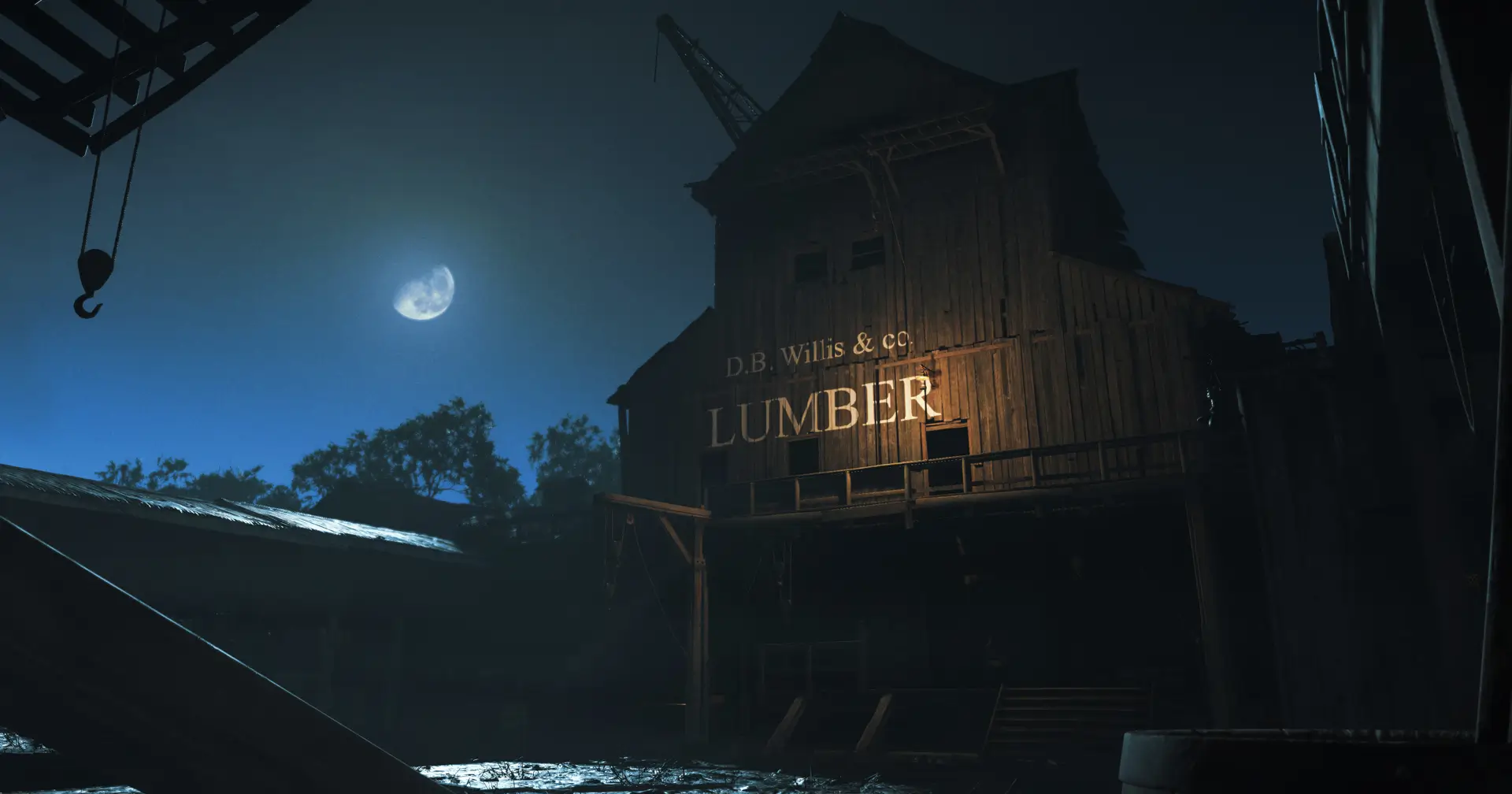
The History of Reynard Mill & Lumber

“Great vines hung down from lofty trees that shaded the banks and crossed one another a hundred – a thousand – ways to prevent the boat's passage and retard its progress as if the devil himself was mixed in it." -Strange True Stories of Louisiana by George W. Cable (1890)

“By far the most agreeable hours I passed at New Orleans were those in which I explored with my children the forest near the town. It was our first walk in 'the eternal forests of the western world,' and we felt rather sublime and poetical." -Domestic Manners of the Americans by Frances M. Trollope (1832)


The ancient Cyprus forests that beard the bayous and swamps of Louisiana have enchanted generations of writers: their shadowed bowers both menacing and mystical and their ominous labyrinths grown of moss and vine. It was said that in the Widow Blanchett's final days she was known to wander the woods alone, a forlorn figure treading ancient paths, finding communion with the ancient trunks that shielded her from the sun.

The wood's days were numbered. Throughout the nineteenth century, the United States was becoming a global power, one that necessitated a powerful navy to impose its power. This navy required lumber and towards the close of the nineteenth-century supplies in the Midwest and Northeast were nearing exhaustion. It was then that the roving eye of industry fixed its gaze on the rich virgin forests of Louisiana.

The policy of deforestation was called “cut out and get out". Cyprus trees were harvested by the dozens. The waterways they had drawn from for centuries proved to be their undoing; cut logs were floated together in enormous numbers, sometimes covering entire lakes.

New infrastructure was needed to transport this veritable bounty. The railways enabled industrial access to previously untouched lands. Mills were built, and the areas surrounding them stripped of wood. When the local supplies were exhausted, the machinery was moved to a new location, and the mill's building was left to rot like an old carcass.

Reynard's Mill & Lumber endeavored to do the same. The hurricane of 1893 severely delayed its construction; however, not one year later it was up and running, carrying out the profitable work of devastating the ancient woodland. Reynard, an expert woodsman from Appalachia, was invited by Henrik Graf to bring his expertise to the table, in return for the prestige of having the mill in his name.

The mill's year of operation was a difficult one. The local fishermen proved averse to the complexities of the industrial equipment, and in the end, large numbers of workers from out of state were brought in to fell the trees and convert them to lumber. Graf even considered them to work too slowly and sought desperate experimental ways to increase their productivity. Their work would have been irrevocable, if not for the disaster that befell the human populace of the area…

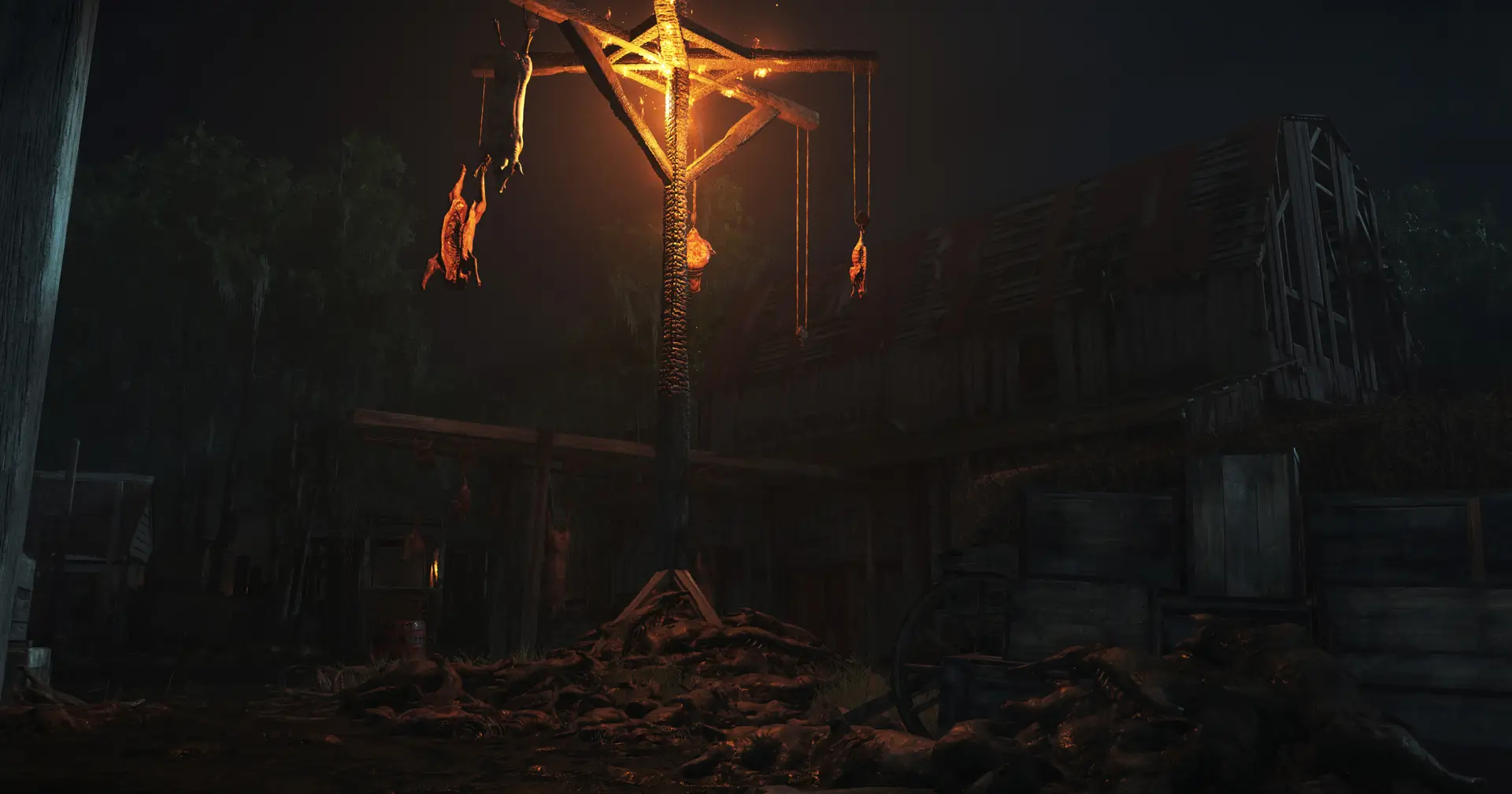
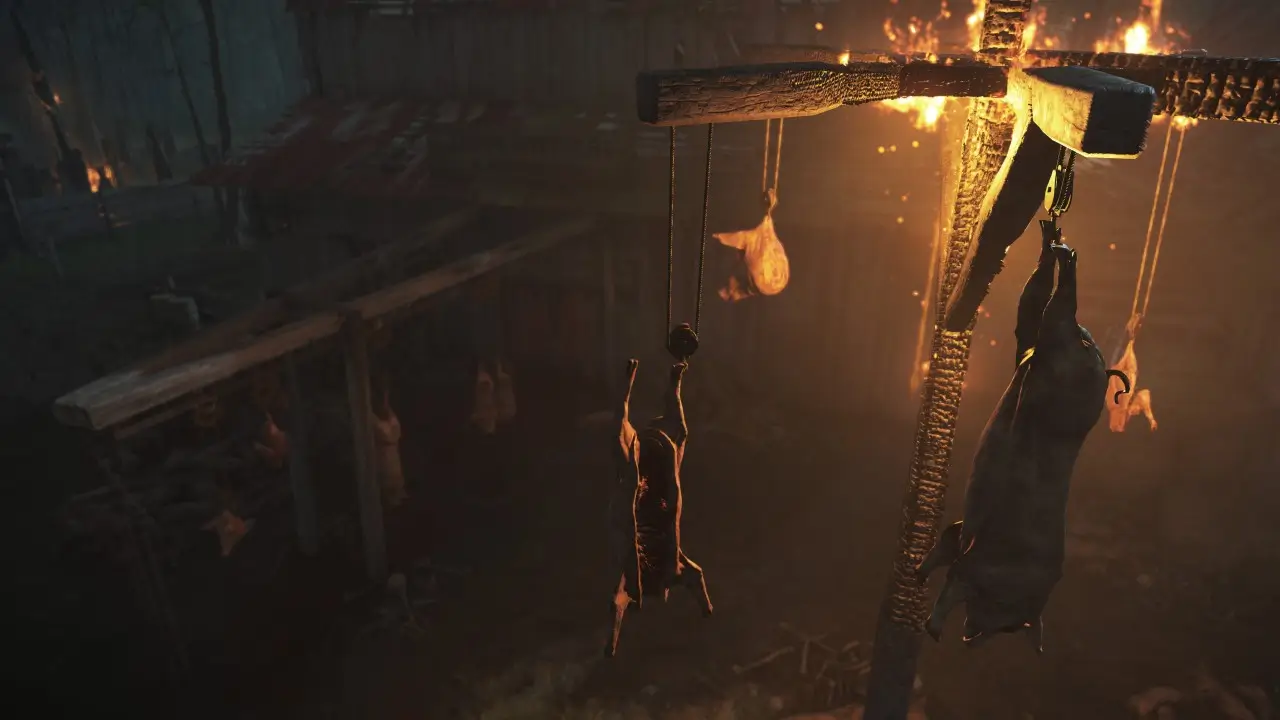
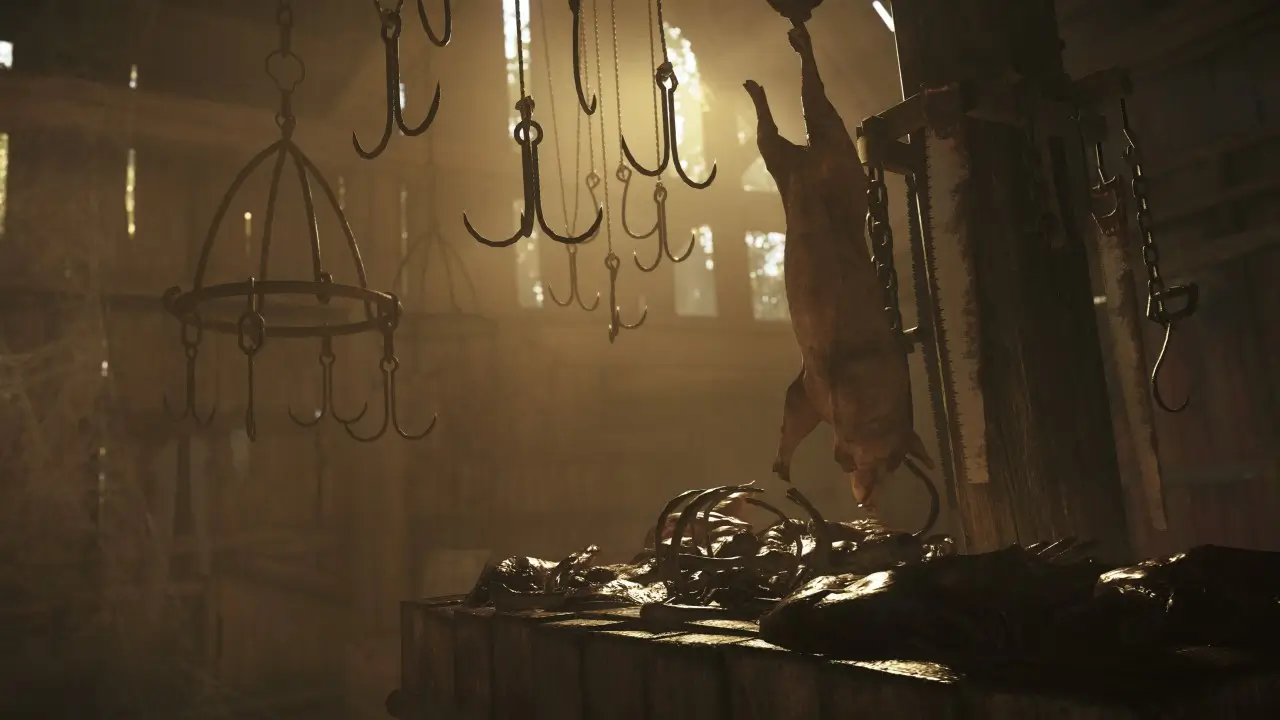
The History of the Slaughterhouse

The Slaughterhouse was once a livestock farm, owned by a man of the name William Roche. Famed for his plump and docile pigs often found snuffling amongst the hedgerows, he trusted the land, fearless of the alligators and bandits which threatened his stock. In 1850, Roche died peacefully in bed, and the delightful pastoral came to an end. His stepson took over the farm. Little is known of William Roche's wife, but she had died some years before, leaving him the guardianship of her son.

Peter Roche, known as “Young Roche," was a reformer. Before moving to the farm, Young Roche had apprenticed as a butcher in New Orleans, there exposed to all the latest innovations in the industry. He was of the belief that public slaughterhouses were preferable to private. Traditionally, sheds, outbuildings, and backyards were employed for the slaughter of livestock. Young Roche considered this old-fashioned, having seen for himself the hygienic benefit of moving the messy business of animal slaughter out of the public eye.


Many locals were unconvinced; they were rural folk after all, not averse to the grim realities of slaughter. Undeterred, Young Roche pressed forward, converting the farm to an abattoir. An old friend of his stepfathers accused him of lacking his predecessor's essential qualities: compassion and a gentle hand. He defamed Young Roche, declaring that he was only interested in the killing, rather the nurturing, of animals.

The Young Roche put his skill as a butcher to use and grew successful, though unpopular, in the community. Through the Civil War, he alienated himself further by supplying the Union occupation. He suffered for it, and in 1866 his home was burnt down, alleged to be arson. It would not be the last time he awoke to flames. Following the war, he became a recluse. It was said that in his isolation he took to gorging himself on prime cuts of meat, growing immensely fat.

The final blow to Young Roche was legislative and occurred during the Slaughter-House Cases of 1873. In 1869, the Louisiana State Legislature granted a monopoly of the New Orleans slaughter business to a single corporation. The city had been in the midst of a public hygiene crisis, the river was clogged by “intestines and portions of putrefied animal matter." The effect on Young Roche's small business was irrevocable.


The legal status of the “Slaughterhouse," as it was now chiefly referred to, was dubious. The conglomerate itself was a behemoth, stealing business away from Young Roche. A significant deal made with Henrik Graf, a good customer of Young Roche, was a devastating betrayal.

It is unknown how the Young Roche lived out the final days of his life. For the next twenty years he got by as best he could. He was regarded as a dangerous recluse, absorbed in his own gluttony and paranoia, eager to carve up whatever he could get his hands on…


Remaining documents


Correspondances


Private journals


Miscellaneous